
Can an Air Mattress Be Repaired? Complete Repair Guide for 2026
Wondering can an air mattress be repaired? Learn how to locate pinholes, apply vinyl patches, and restore spinal support for overnight guests in October 2026.
 By Jackson Lindeke
Updated October 6, 2026
By Jackson Lindeke
Updated October 6, 2026

Waking up on a deflated inflatable mattress in the middle of the night can disrupt deep rest and leave your lower back feeling stiff and unsupported. When sudden air loss occurs, many frustrated sleepers immediately ask can an air mattress be repaired before discarding an otherwise functional bed. In most instances, standard pinholes, puncture tears from sharp debris, and minor surface abrasions on vinyl or polyvinyl chloride (PVC) can be sealed successfully using dedicated repair kits and flexible adhesives. If you encounter an unexpected puncture late in the evening and require an immediate temporary barrier, applying tape for air mattress punctures can stabilize the opening until you can complete a permanent repair.
Successfully restoring an inflatable mattress requires distinguishing between normal material stretching and true puncture leaks. Synthetic vinyl polymers naturally relax and expand across the first few nights of use, which lowers internal pressure without indicating a structural tear. However, genuine punctures cause ongoing deflation that forces the hips to sink out of neutral alignment and places excessive strain on lumbar muscles. For households that frequently host visitors on guest air mattress options, learning how to clean the surface, strip fuzzy flocking, and apply airtight patches extends product lifespan while keeping overnight guests well supported.
| Award | Product | AMG Score About AMG ScoreThe AMG Score is our own rating from 0 to 10, based on performance, design and build, ease of use, and value. It reflects independent research and is never influenced by manufacturers, retailers, or affiliate commissions. Learn more › | |
|---|---|---|---|
| Best Overall |
Hannaera Heavy Duty Air Mattress Patch Kit
|
9.2/10 | Buy |
| Best Value |
 Intex Dura-Beam Standard Pillow Rest Queen Air
|
8.9/10 | Buy |
| Best Budget |
Air Mattress Patch Kit Heavy Duty
|
8.8/10 | Buy |
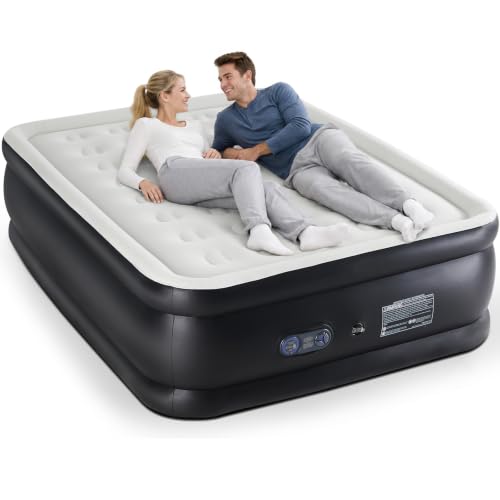 Sweetcrispy 22-Inch Queen Air Mattress
|
8.8/10 | Buy | |
 ATLASBOND Air Mattress Patch Kit
|
8.6/10 | Buy | |
 Yeardera Air Mattress Patch Kit
|
8.3/10 | Buy | |
 Intex Dura-Beam Standard Queen Camping Air
|
8.3/10 | Buy | |
| Best Premium |
 Intex Dura-Beam 22-Inch Queen High-Rise Camping
|
8.3/10 | Buy |
 King Koil 20-Inch Queen Air Mattress with Built-In
|
8.1/10 | Buy | |
 Luxchoice 9-Inch Queen Camping Air Mattress
|
7.8/10 | Buy |
Hannaera Heavy Duty Air Mattress Patch Kit
The Hannaera Heavy Duty Air Mattress Patch Kit provides a 60 ml tube of flexible, waterproof solvent adhesive and vinyl patches to fix punctures in PVC and TPU camping air beds. It is an affordable, practical repair solution for car campers and tent sleepers seeking to restore overnight airtightness without buying a replacement mattress.
Pros
- Solvent adhesive remains flexible after curing so patches flex naturally under sleeper body weight
- Comes with both clear and colored patches in multiple shapes for versatile puncture coverage
- Substantial 60 ml adhesive capacity handles multiple repairs on camping mats, rafts, and inflatables
- Compact tube size packs easily into camp storage bins or mattress duffels without adding bulk
Cons
- Requires a full 24-hour cure time to achieve optimal bond strength before the mattress can be re-inflated
- Solvent-based adhesive can cause patches to curl if applied too heavily or unevenly
- Flocked velvet sleeping surfaces must be carefully buffed or smoothed before applying adhesive
Intex Dura-Beam Standard Pillow Rest Queen Air
The Intex Dura-Beam Standard Pillow Rest Queen Air Mattress delivers low-profile 10-inch tent clearance, a 600-pound weight capacity, and Fiber-Tech internal stability. It is an affordable option for car campers and cabin guests with access to 110-120V power.
Pros
- Quick inflation and deflation in about 2.25 minutes via the integrated 110-120V AC electric pump.
- Fiber-Tech polyester fiber beams and bottom perimeter ring provide solid support up to 600 pounds.
- Low-profile 10-inch height fits easily under angled tent walls in standard dome tents.
- Velvety flocked sleeping surface feels soft to the touch and helps prevent sleeping bags from sliding.
Cons
- Requires a 110-120V AC outlet, requiring campers to bring an AC generator, vehicle inverter, or portable power station for tent use.
- Contains uninsulated air chambers without an official R-value rating, making an external foam sleeping pad necessary in colder weather.
- Natural material stretching during the first 2-3 nights will soften initial firmness and require minor air top-offs.
Sweetcrispy 22-Inch Queen Air Mattress
With an elevated 22-inch double-height design, this Sweetcrispy mattress inflates in four minutes using an integrated 110V electric pump. Its honeycomb structure supports up to 660 pounds, making it a supportive choice for home hosting or powered campsites.
Pros
- High 660-pound weight support
- Built-in electric pump allows fast setup
- Elevated 22-inch height provides bed-like feel
- Non-slip bottom reduces floor noise
- Comfortable moisture-wicking flocked top
Cons
- Requires a 110V power outlet to operate
- Weighs 17.4 pounds, limiting manual portability
- Larger footprint requires significant tent space
ATLASBOND Air Mattress Patch Kit
The ATLASBOND Air Mattress Patch Kit provides a durable field-repair solution for punctures and seam leaks on camping air beds and outdoor inflatables. With flexible, waterproof glue and cut-to-size patches that cure clear within an hour, it is an essential emergency repair item for tent campers and overlanders.
Pros
- Versatile bonding works across PVC, vinyl, TPU, nylon, and rubber camp gear
- Flexible adhesive compound stretches naturally during inflation and overnight movement
- Precision metal tip allows accurate adhesive application along awkward welded seams
- Relatively fast one-hour curing cycle enables quick turnaround at the campsite
Cons
- Patches are non-adhesive and require careful manual application of the liquid glue
- One-hour cure requirement means immediate bedtime punctures will cause a delay before sleeping
- Repairs on flocked velvet sleeping surfaces require buffing down the fibers to reach bare vinyl
Yeardera Air Mattress Patch Kit
The Yeardera Air Mattress Patch Kit provides 60ml of high-strength, flexible PVC adhesive and clear patches designed to restore airtight seals on punctured camping air beds and outdoor gear. It is an essential, budget-friendly repair solution for tent campers and gear owners looking to fix slow leaks without replacing their entire mattress.
Pros
- Airtight and flexible cure resists repeated inflation cycles and body weight pressure on camping beds
- Waterproof formulation protects against moisture and tent floor condensation
- Compatible with a broad range of PVC, ABS, and EVA camp gear and outdoor inflatables
- Clear patches maintain an unobtrusive repair without unsightly yellowing
Cons
- Requires 24 hours for optimal bonding strength and 48 hours for a complete cure, making instant midnight repairs unfeasible
- Not designed for pure TPU film, silicone, or nylon fabric sleep pad surfaces without manufacturer-reviewed compatibility
- Flocked mattress surfaces require scraping or sanding down to raw vinyl before applying adhesive and patches
Intex Dura-Beam Standard Queen Camping Air
The Intex Dura-Beam Standard Queen Air Mattress provides a low-profile 10-inch sleeping platform supported by internal Fiber-Tech polyester beams and a 600-pound weight capacity. It is an affordable, lightweight sleep option for weekend car campers and tent sleepers who already own a compatible campsite pump.
Pros
- Fiber-Tech polyester fiber construction helps maintain firmness and reduce sagging compared to standard vinyl beams
- Low-profile 10-inch height fits comfortably inside compact dome tents without touching sloped ceiling fabrics
- Generous 600-pound weight capacity and 80 by 60 inch queen footprint support dual campers with ease
- Lightweight 6.5-pound build packs down small for car trunk packing and weekend campground travel
Cons
- Air pump is sold separately, requiring you to bring your own 12V vehicle inflator, battery pump, or manual pump
- Material naturally stretches during the initial 2-3 nights of use, requiring top-off air to maintain firmness
- Lacks internal thermal insulation or a reviewed R-value, making a foam pad necessary over cold ground
Intex Dura-Beam 22-Inch Queen High-Rise Camping
The Intex Dura-Beam 22-Inch Queen Air Mattress provides standing-height comfort and dependable Fiber-Tech internal support for electric-hookup campsites and cabin trips. With a built-in 110-120V electric pump and a 600-pound weight capacity, it is a great choice for car campers with access to AC power.
Pros
- High 22-inch elevation makes getting in and out of bed as easy as a traditional home mattress.
- Built-in 110-120V electric pump delivers quick, hands-free inflation and deflation in under five minutes.
- Dura-Beam Fiber-Tech construction provides reliable horizontal body support with a 600-pound limit.
- Velvety flocked finish adds surface comfort and helps reduce sleeping bag sliding.
Cons
- Integrated electric pump requires a standard 110-120V household outlet, campground electric pedestal, or portable AC power station.
- Tall 22-inch profile can press against angled walls in low-profile dome tents, requiring a standing-height cabin tent.
- Initial material stretching during the first few nights requires air top-offs before the vinyl fully settles.
King Koil 20-Inch Queen Air Mattress with Built-In
The King Koil 20-inch Queen Air Mattress delivers elevated, bed-like comfort with internal coil-beam support and a fast 2-minute 120V AC inflation system. Ideal for cabin campers, glampers, and powered campsite setups, it provides a stable 650-pound weight capacity for campers who prioritize easy bed entry.
Pros
- Elevated 20-inch height makes standing up and lying down much easier than low-profile floor pads
- Patented 120V / 210W AC pump inflates the mattress in just 2 minutes at powered campsites
- Internal coil-beam construction offers solid stability and supports up to 650 lbs for couples
- Plush flocked top surface improves comfort and helps grip sheets or sleeping bags
Cons
- Requires a standard 120V AC household outlet, campground electrical hookup, or compatible power inverter to run the built-in pump
- Tall 20-inch double-high profile can press against sloping walls in smaller low-profile dome tents
- Uninsulated internal air chambers offer no rated R-value, requiring an insulating topper for cold-weather camping
Luxchoice 9-Inch Queen Camping Air Mattress
Featuring an integrated cordless rechargeable pump and a low-profile 9-inch build, the Luxchoice Queen Camping Air Mattress delivers quick two-minute setup without household electrical cords. It is a practical sleep solution for tent campers, road trippers, and weekend outdoor adventurers seeking dependable off-grid inflation.
Pros
- Integrated rechargeable cordless pump eliminates the need for manual pumping or access to household outlets
- Low 9-inch profile offers great overhead clearance inside dome tents with sloping walls
- Fast two-minute inflation and active deflation speeds up campsite setup and teardown
- Includes an air coil beam design and a soft flocked top surface for comfortable sleeping support
Cons
- Uninsulated PVC construction lacks a listed R-value, requiring an extra sleeping pad or thermal blanket for cold weather
- Initial PVC material stretching during early uses requires topping off air to maintain desired firmness
- Integrated rechargeable pump must be fully charged prior to your trip to avoid arriving at camp without power
Comprehensive Guide to Repairing Air Mattresses and Restoring Sleep Support
An air mattress can almost always be repaired when damage is limited to small surface punctures, pinholes, or localized tears in the exterior PVC shell. Because inflatable beds rely on airtight internal pressure to support body weight and maintain neutral spinal alignment, even a tiny breach eventually causes the surface to sag. Restoring the mattress depends on identifying the exact leak location, cleaning the vinyl surface properly, and applying an adhesive that remains flexible under pressure. Knowing which damages can be fixed and which signal structural failure will save both time and effort.
Determining Repairability: Punctures Versus Catastrophic Failures
Most leaks result from contact with pet claws, floor grit, safety pins, or sharp ground debris during camping trips. These small punctures and clean tears along the flat bottom or side walls are ideal candidates for repair with heavy-duty patch kits. High-strength vinyl adhesives bond securely to PVC, polyurethane, and rubber, creating an airtight seal that flexes under sleeper body weight. When addressed with proper patch materials, a punctured air bed easily delivers dependable comfort for future use.
Certain types of damage cannot be resolved with an adhesive patch kit. When an internal baffle or coil beam snaps, the mattress develops a bulging bubble on the sleeping surface that distorts spinal posture and cannot be glued down. Large seam blowouts along welded perimeter edges or cracks around built-in electric pump housings also rarely hold air under full sleeper weight. In those cases of internal structural collapse, attempting surface repairs will not restore support, making full replacement necessary.
The Mechanics of Air Loss: Material Stretch Versus Real Leaks
Before searching for a puncture, sleepers should verify whether the bed is truly leaking or simply experiencing normal material expansion. Inflatable beds from brands like Intex and King Koil utilize synthetic vinyl and polyester fibers that stretch during initial inflation cycles. As polymer chains relax under room temperature and internal air pressure, overall mattress volume expands, leading to a noticeable drop in firmness. Many owners mistake this initial stretching for a leak when the bed merely needs a brief top-off over the first few nights.
Ambient bedroom temperature also influences internal pressure through basic thermodynamic principles. Cooler nighttime air causes air molecules inside the chamber to contract, reducing internal pressure and creating a softer surface by morning. This temperature drop occurs without any air actually escaping through the vinyl walls. If a mattress feels softer upon waking in a chilly room but regains firmness when the room warms up, the vinyl is intact and free from puncture damage.
Diagnostic Techniques to Locate Elusive Micro-Leaks
Locating a tiny pinhole requires a systematic inspection of the entire mattress exterior. The most reliable diagnostic method involves applying soapy water across fully inflated chambers with a sponge or spray bottle. Mix liquid dish soap with warm water, then gently wipe the solution along the bottom, sides, and welded seams while watching for expanding bubbles. When air escapes through a hole, the escaping pressure forces the soapy film to form distinct, growing clusters of bubbles over the leak.
Tactile and auditory techniques also help pinpoint stubborn leaks without creating a wet mess. Inflate the mattress fully in a quiet room, then slowly press down on different zones while listening for a faint hissing noise. You can also move the sensitive skin of your moist palm, cheek, or forearm an inch above the surface to feel the cool draft of escaping air. Check high-friction zones carefully, especially the bottom edges where the mattress rubs against flooring.
Once you find the leaking area, mark the spot immediately with painter tape or a felt-tip pen. Small punctures in smooth vinyl become nearly invisible once the mattress deflates, making them difficult to relocate later. Drawing a circle around the hole ensures you can center the patch accurately over the puncture point once the bed is completely flat. Wipe the area dry with a clean towel before starting the surface preparation steps.
Preparing the Repair Surface: Removing Velvet Flocking
Many modern air mattresses feature a plush, velvety flocked sleeping surface designed to enhance comfort and keep bed sheets in place. While flocking feels soft, it prevents patch adhesives from forming a direct chemical bond with the underlying PVC layer. Applying an adhesive patch over flocking allows air to escape beneath the patch fibers within hours of inflation. To achieve an airtight seal on the top surface, you must gently remove this fuzzy flocking down to smooth vinyl.
To strip flocking without puncturing the mattress wall, lightly abrade the marked repair area with fine-grit sandpaper or an emery board. Work in small circular motions until all textile fibers disappear and smooth plastic is exposed across the repair zone. Next, wipe the exposed vinyl with a cotton ball dipped in rubbing alcohol to remove dust and oil residues. Allowing the surface to dry completely creates an optimal foundation for long-lasting adhesive bonding.
Step-by-Step Patching with High-Strength PVC Adhesives
Creating a durable seal requires a high-strength solvent adhesive designed specifically for flexible vinyl, PVC, and polyurethane materials. Patch kits from brands like Hannaera, ATLASBOND, or Yeardera include liquid vinyl glue alongside clear or color-matched repair patches. Cut your patch into a circular shape with rounded corners, making sure it extends at least one half inch past the tear in all directions. Rounded corners keep the patch from catching on bedding and peeling backward as sleepers shift during the night.
Spread a thin, even coat of liquid vinyl adhesive over both the mattress surface and the underside of the patch. Applying too much glue can over-soften thin PVC walls and cause patch edges to curl upward. Wait roughly thirty to forty seconds for the glue to turn tacky, then press the patch firmly over the hole, smoothing outward from the center to eliminate air bubbles. Wipe away any excess glue along the patch edges with a clean rag.
Apply firm, steady pressure across the patch for several minutes to establish strong contact adhesion. Placing a flat piece of wax paper beneath a heavy book directly over the repair ensures even pressure across the entire bonded area. While some quick kits claim rapid bonding, allowing ample drying time ensures a resilient, airtight seal that withstands repeated inflation cycles.
Proper Curing Times and Pressure Verification
Patience during the curing process is essential for achieving a reliable, permanent repair. Most vinyl cements need a full twenty-four to forty-eight hours to reach maximum bonding strength and flexibility. Inflating the mattress prematurely puts immense shear stress on the drying adhesive, which can stretch the seal and recreate leaks under body weight. Keep the mattress flat, deflated, and undisturbed at normal room temperature throughout the entire drying window.
After the adhesive cures completely, confirm the repair with a controlled pressure test before regular use. Inflate the mattress to standard firmness and let it rest unoccupied for a few hours, checking that the patch stays flat without lifting at the perimeter. You can apply a drop of soapy water around the patch edges to ensure no air escapes under internal pressure. Once confirmed airtight, the mattress is ready to support sleeper weight securely.
Addressing Challenging Leaks: Seams, Welds, and Air Valves
Leaks located along welded factory seams are harder to seal than flat punctures because of uneven surface folds. Standard flat patches often struggle to bridge these raised ridges, leaving micro-gaps where air can escape under tension. In these spots, applying flexible liquid sealant or heavy-duty specialized tape for an air mattress helps create an airtight barrier that conforms over irregular contours. Layering thin coats of flexible adhesive along the seam groove often works much better than forcing a flat patch over a raised weld.
Air valves and built-in electric pump seals are another common source of steady air loss that owners overlook. Dust, lint, and hair can collect around the rubber gasket inside the inflation valve, preventing the internal stopper from sealing tightly against the frame. Inspect the valve opening closely, wipe the gasket clean with a damp cloth, and check that the cap closes flush. If the valve collar has cracked plastic or damaged threads, contacting the manufacturer for a replacement part is best.
Testing the valve seal under pressure reveals whether air is escaping through the flap or around the outer collar weld. Spraying soapy water around the closed valve assembly quickly highlights any escaping bubbles around the housing perimeter. If bubbles emerge around the outer weld where the valve joins the bed, applying a ring of flexible vinyl adhesive around the joint can restore an airtight seal.
Ergonomic Consequences of Sleeping on a Leaking Air Bed
A deflating air mattress causes far more than an interrupted night; it compromises proper spinal alignment and joint support. When internal pressure drops overnight, the heavier hips and pelvis sag toward the floor while the head and feet remain propped up. This unnatural posture forces the lumbar spine into excessive curvature, straining lower back muscles and surrounding ligaments. Sleepers frequently wake up with morning back stiffness, hip pressure, and neck discomfort after resting on an under-inflated surface.
Restorative sleep requires a stable surface that maintains the natural curvature of the spine throughout the night. Side sleepers need balanced contouring that cushions shoulders and hips without letting the torso sink out of level. Back sleepers need firm lumbar support that keeps the pelvis from sinking too deep into the mattress. Repairing leaks promptly and keeping internal air pressure stable prevents musculoskeletal strain and supports restful, healthy sleep on an inflatable bed.
When to Retire the Mattress: Weight Limits and Structural Integrity
While small punctures are easy to repair, certain internal failures mean an air bed should be retired. Mattresses using internal fiber-tech strands or coil column structures, such as models from Intex, Sweetcrispy, and King Koil, depend on internal baffles to maintain a flat surface. When these internal supports snap from high pressure or wear, the mattress develops large, unfixable bubbles that cause sleepers to roll off. If an air bed can no longer stay flat, replacement is necessary to protect sleep quality.
Weight demands and sleeper profiles also influence whether repairing an older bed is practical. When accommodating couples or heavier adults on a regular basis, choosing durable air beds for two sleepers with reinforced internal coils provides far greater stability than repeatedly patching thin vinyl. If an older mattress develops frequent pinholes across brittle vinyl, the material itself has worn out, making a new mattress the most reliable solution.
Preventative Maintenance to Maximize Air Bed Longevity
Preventing punctures before they happen is the best way to protect your air mattress from sudden leaks. Always sweep the floor thoroughly before inflating your bed, removing sharp dirt, pet hair, dropped needles, and wood splinters. Placing a thick moving blanket or durable floor tarp beneath the mattress adds a crucial layer of protection against abrasive surfaces, especially inside camping tents or on rough floors.
Sensible inflation habits and careful storage also prolong the life of vinyl materials and internal support beams. Avoid over-inflating the bed past comfortable firmness, because excessive pressure stresses welded seams and pump gaskets. When packing the mattress away, fold it loosely rather than pressing tight creases into the vinyl, and keep it in a protective bag away from direct sunlight. These simple habits protect the material from premature wear and keep your air bed ready for use.
Locating leaks carefully, preparing vinyl surfaces properly, and giving adhesive patches enough time to cure makes repairing an air mattress a practical, cost-effective choice. Whether you are dealing with a camping puncture or refreshing an extra bed for household visitors, a flexible vinyl patch can restore firmness and comfort. By inspecting valves regularly and using protective ground padding, you can enjoy stable spinal support and extend the working lifespan of your inflatable bed.
About the author
Jackson Lindeke is a Certified Sleep Science Coach and product expert specializing in mattresses, bedding and sleep products. He has years of experience developing evaluation methods and translating product-testing data into practical recommendations that help consumers choose products suited to their individual sleep needs.