
How to Buy a Mattress Online: Practical Guide for 2026
Learn how to buy a mattress online with practical advice on firmness scales, core materials, sleep trials, and unboxing setup for November 2026.
 By Brad Nehring
Updated October 13, 2026

Waking up with nagging lower back stiffness often prompts sleepers to ditch traditional brick-and-mortar showrooms for modern direct-to-consumer delivery. Learning how to buy a mattress online gives you direct access to specialized materials, lower markups, and extended home trials that retail stores rarely match. Ordering a compressed bed straight to your door eliminates aggressive sales pressure while opening up endless options for zoned pocketed coils, cooling memory foam, and natural textiles. Matching these materials to your exact body weight and sleeping position remains the most reliable way to secure lasting comfort and proper spinal alignment.
Navigating digital specs requires attention to subtle construction details, ranging from foam density ratings to verified base support guidelines. Before placing an order, checking standard mattress dimensions and sizing helps ensure your new bed frame and bedroom layout match your chosen profile. You will also want to verify critical logistics like risk-free trial windows, return pickup terms, and mandatory break-in periods. Taking a methodical approach transforms an overwhelming online catalog into a clear, predictable path toward better sleep.
| Award | Product | AMG Score About AMG ScoreThe AMG Score is our own rating from 0 to 10, based on performance, design and build, ease of use, and value. It reflects independent research and is never influenced by manufacturers, retailers, or affiliate commissions. Learn more › | |
|---|---|---|---|
| Best Overall |
BedStory 14 Inch Queen Hybrid Mattress
|
8.9/10 | Buy |
| Best Value |
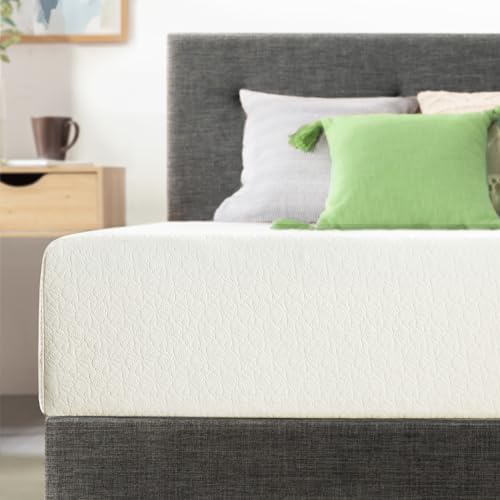 Best Price Mattress 10-Inch Full Bed-in-a-Box |
8.6/10 | Buy |
BedStory 14 Inch Queen Hybrid Mattress
The BedStory 14-inch Queen Hybrid Mattress combines an ergonomic zoned pocketed coil system with responsive comfort foam to deliver balanced medium-firm support and targeted pressure relief. Back, side, and combination sleepers seeking steady spinal alignment, reduced partner motion transfer, and breathable airflow will appreciate its substantial high-profile build.
Pros
- Generous 14-inch high-profile hybrid construction provides deep, multi-layer cushioning and substantial elevation
- Ergonomic zoned pocket coils deliver targeted reinforcement across the lumbar region while reducing partner motion transfer
- Breathable cover textile and coil chamber ventilation facilitate passive heat dissipation compared to all-foam beds
- Certified by CertiPUR-US and OEKO-TEX to ensure low chemical emissions and safe interior materials
Cons
- Weighs approximately 87 pounds in the box, requiring two people for safe unboxing and room placement
- May feel slightly firm for lightweight side sleepers under 130 pounds who require deeper shoulder contouring
- High 14-inch profile requires deep-pocket fitted sheets and can make overall bed height tall on high-profile frames
Best Price Mattress 10-Inch Full Bed-in-a-Box
The Best Price Mattress 10-inch Full Green Tea Memory Foam Mattress provides balanced contouring pressure relief and reliable motion isolation through a multi-tier all-foam design. It is a practical, budget-conscious choice for side and back sleepers seeking CertiPUR-US certified comfort.
Pros
- Cushioning memory foam delivers effective pressure relief for side and back sleepers
- Excellent motion isolation dampens movement across the sleep surface
- Made with CertiPUR-US certified foams and a cotton-based fire retardant barrier
- Calming green tea infusion helps keep internal foam layers smelling fresh
- Straightforward bed-in-a-box setup with a reliable 10-year warranty
Cons
- All-foam perimeter experiences noticeable compression when sitting directly on the bed edge
- Dense memory foam can retain body warmth for individuals who sleep exceptionally hot
- Requires 24 to 72 hours in a ventilated space for full corner expansion and initial odor dissipation
Essential Steps for Choosing and Ordering a Mattress Online
Purchasing a new sleep system online requires looking past marketing claims and examining structural build quality. Successful online mattress shoppers focus on objective comfort metrics, verified material standards, and transparent trial policies. Following a systematic evaluation process helps you find a supportive bed tailored to your nightly sleep habits.
Identify Your Primary Sleep Position and Firmness Requirements
Every mattress firmness rating operates on a standard ten-point scale, where one is feather-soft and ten is ultra-firm. Side sleepers generally thrive on medium-soft to medium surfaces rated between four and six. These plush comfort layers cushion the shoulders and hips, preventing joint pressure while keeping the spine aligned. Without proper contouring, side sleepers frequently wake with numbness along their arms and hip soreness.
Back sleepers require balanced medium-firm support rated between six and seven. This firmness level fills the lumbar curve without letting the pelvis sink too deeply into the core. Resting on an overly soft bed causes the midsection to hammock, triggering morning lower back stiffness. A supportive transition layer underneath the comfort foam keeps the spine resting in a neutral posture all night.
Stomach sleepers face the strictest ergonomic demands, requiring firm support rated between seven and eight. Sleeping face down places heavy pressure across the hips, which can hyperextend the lower back if the surface yields. A sturdy sleep surface keeps the pelvis lifted in line with the chest and neck. Combination sleepers who shift positions need a responsive surface that facilitates easy nighttime movement.
Account for Body Weight and Support Dynamics
Body weight directly changes how firm a mattress feels beneath you. Sleepers under 130 pounds exert less gravitational pressure on comfort layers. Because they rarely compress deeper support foams, they often perceive standard beds as firmer than labeled. Lighter individuals usually benefit from softer comfort padding that contours easily under modest weight.
Individuals weighing between 130 and 230 pounds generally experience firmness ratings as intended. Standard medium to medium-firm profiles provide the right balance of cushioning and pushback for this group. Most hybrid and memory foam beds target this weight bracket, offering reliable spinal support. As long as sleeping posture matches the firmness rating, average-weight sleepers have plenty of great options.
Sleepers weighing over 230 pounds place substantial compressive strain on foams and coil units. Reviewing heavy-duty mattress support considerations explains why robust core components matter for heavier frames. Without thick-gauge pocketed coils or dense transition foam, heavier sleepers can sink through comfort layers and bottom out. Investing in reinforced coil systems prevents center sagging and preserves spinal alignment.
Compare Mattress Core Constructions: Foam Versus Hybrid
All-foam mattresses rely on layered blocks of polyurethane, memory foam, or latex to deliver progressive support. A model like the Best Price Mattress 10 Inch Full Mattress demonstrates how memory foam over high-density base foam cushions joint pressure. These foam cores excel at absorbing kinetic energy, making them great for restless sleepers sharing a bed. The dense structure hugs the body closely, easing pressure points along the hips.
Hybrid mattresses combine upper comfort foams with an underlying system of pocketed coils. Models like the BedStory 14 Inch Medium Firm Queen Mattress use targeted zonal springs that deliver customized support beneath the waist and shoulders. The independent spring design allows each coil to respond separately to localized pressure without disturbing neighboring areas. This internal suspension promotes neutral spinal curves while providing an energetic bounce for easy movement.
Choosing between foam and hybrid designs depends on your priorities regarding motion isolation and ease of movement. Foam beds provide complete motion dampening, but they can create a sinking feeling that makes turning over harder. Hybrids offer stronger edge support, better airflow, and a buoyant feel, though they transmit slightly more surface movement. Deciding whether you prefer floating on top or sinking gently helps guide your selection.
Examine Micro-Climate Regulation and Cooling Technologies
Sleeping hot remains a frequent complaint among bed-in-a-box shoppers. Traditional memory foam features dense, closed-cell structures that trap radiant body heat near the surface. As warmth accumulates throughout the night, sleepers often experience night sweats and broken rest. Modern mattress designs address this challenge through breathable covers and conductive material infusions.
Hybrid designs naturally promote superior temperature regulation compared to solid foam blocks. The open space around pocketed coils allows airflow to circulate freely through the interior. As you shift during sleep, the compressing coils push warm air out and draw cooler air inward. Combining an innerspring core with a breathable exterior fabric keeps the sleeping environment dry and comfortable.
Foam infusions also help maintain nighttime freshness and odor control. Layers infused with green tea or botanical extracts help manage trapped moisture while keeping the bed smelling clean. Open-cell foam structures further assist ventilation by creating tiny channels that disperse heat away from the body. Hot sleepers should prioritize coil airflow and breathable knit fabrics to prevent heat retention.
Verify Material Safety and Environmental Certifications
Checking independent textile and chemical certifications protects your household from harmful volatile compounds. Look for the CertiPUR-US seal when evaluating polyurethane or memory foam layers. This certification confirms that the foam is made without ozone depleters, heavy metals, formaldehyde, or prohibited phthalates. It also ensures that indoor volatile organic compound emissions remain strictly within low limits.
Another key benchmark in material safety is OEKO-TEX Standard 100 certification. This testing protocol inspects outer fabrics, sewing threads, and zipper parts for toxic residues. Mattresses with both CertiPUR-US and OEKO-TEX documentation provide confidence that your sleep surface is clean, odorless, and skin-safe. These third-party audits eliminate reliance on vague marketing terms.
Flame retardant barriers represent another critical safety element to review before ordering online. Federal regulations require all mattresses to include an internal fire protection layer. Quality designs utilize cotton-based retardants, wool barriers, or rayon knit fire socks rather than loose glass fibers. Verifying the absence of exposed fiberglass ensures that laundering outer bedding never spreads irritating dust through your home.
Inspect Foundation Compatibility and Frame Support Rules
Even the best mattress will sag prematurely if placed on an unsupportive bed frame. Direct-to-consumer mattress brands generally require rigid foundations with sturdy slats or solid flat platforms. When using a slatted base, ensure the individual slats sit no more than three inches apart. Wider gaps allow flexible foams and pocket coils to squeeze through, creating uneven dips that harm spinal alignment.
Queen and king setups require solid center support beams equipped with vertical legs touching the floor. A frame without central reinforcement will bow in the middle under the combined weight of the bed and sleepers. You can also explore adjustable firmness mattress options or motorized bases if you prefer elevating your head and feet. Always confirm that your chosen mattress is explicitly rated for adjustable base articulation before buying.
Ignoring foundation guidelines can quickly void your manufacturer warranty. If you file a sagging claim, customer support teams routinely ask for photos of your bed frame, slat spacing, and center legs. Using an unapproved frame or a worn-out box spring provides grounds for a denied claim. Inspecting your frame before the new bed arrives ensures reliable long-term support.
Understand In-Home Sleep Trials and Break-In Windows
In-home trials represent a major benefit of buying a mattress online instead of in a store. Brands offer trial windows ranging from 100 nights up to a full 365 nights of home testing. These extended trial periods allow you to evaluate comfort across changing seasons and daily fatigue levels. Testing a bed in your own bedroom provides far more realistic feedback than brief showroom visits.
Most mattress brands enforce a mandatory break-in window before accepting return requests. This adjustment period typically lasts 30 consecutive nights from the delivery date. New foams and steel coils require several weeks of regular pressure to break in and reach their intended feel. Concurrently, your body needs time to adapt to proper spinal support after sleeping on an aging mattress.
Review return shipping logistics and potential handling fees before finalizing your order. Top brands coordinate free pickup through local recycling centers or regional charities. However, some sellers require buyers to repack the expanded mattress or pay return shipping fees. Confirming clear, fee-free return policies ensures peace of mind if a mattress fails to meet your comfort needs.
Master the Unboxing, Expansion, and Off-Gassing Process
Bed-in-a-box mattresses arrive tightly compressed in plastic wrapping, creating deceptively compact boxes. Queen and king hybrid cartons often weigh between 80 and 120 pounds, making them tough for one person to carry. Enlist a helper to move the box directly into your bedroom before opening the packaging. Position the rolled cylinder onto your bed foundation before cutting away the outer plastic seal.
Slicing open the inner plastic triggers rapid decompression as the materials pull in room air. Avoid sharp blades or deep slicing motions that could damage the outer fabric or internal fire barrier. Manufacturers usually suggest letting the mattress expand for 48 to 72 hours before regular use. While you can often rest on the mattress sooner, complete height and perimeter firmness require adequate setting time.
Mild off-gassing smells are a normal byproduct of unpacking vacuum-sealed foam products. These temporary odors come from fresh volatile compounds escaping after compression. Opening windows and running an electric fan creates airflow that clears noticeable smells within a day or two. Choosing CertiPUR-US certified foams ensures these initial odors remain non-toxic and quick to dissipate.
Analyze Warranty Coverage and Sagging Depth Limits
A clear warranty protects your investment against structural defects and material failures. Most brands provide standard 10-year warranties, while some offer extended 20-year coverage. Check whether the policy provides non-prorated or prorated terms throughout the warranty period. Non-prorated coverage means the manufacturer covers repairs or replacements at zero cost, while prorated terms require partial customer payment over time.
Warranties judge mattress sagging using specific physical indentation depth measurements. Most policies cover unweighted surface depressions measuring between 0.75 and 1.5 inches deep. To file a claim, you usually need to stretch a string across the mattress and measure the depth using a ruler. Normal softening of comfort foam without a measurable indentation is considered routine wear rather than a defect.
Spills and stains can immediately void an otherwise valid mattress warranty. Manufacturers frequently deny claims if moisture reaches the core because liquids break down internal foam bonds. Using a breathable, waterproof protector safeguards your investment against accidental stains and moisture damage. Rotating your mattress 180 degrees every few months also distributes body weight evenly and prevents premature wear.
Final Purchase Checklist for Online Mattress Shoppers
Take a moment to double-check key logistical details before placing your online order. Confirm that your current bed frame dimensions match the width, length, and profile of your chosen mattress size. Make sure hallways, doorways, and stairs provide clear access for carrying the shipping box. Verifying direct customer support channels and package tracking helps prevent delivery headaches.
Approaching your purchase with clear ergonomic criteria takes the uncertainty out of online mattress shopping. Matching your sleep position to the right firmness, demanding certified materials, and using in-home trial periods ensures a smooth transition to a supportive bed. These simple evaluation steps help you invest in restorative sleep with confidence.
About the author
Brad Nehring is an experienced sleep-product tester and writer who has spent nearly a decade evaluating mattresses and related sleep products. His expertise centers on product performance, comfort, construction and real-world usability, with an emphasis on helping shoppers understand meaningful differences before buying.