
How to Check Your Mattress for Bed Bugs: Practical Inspection Guide for 2026
Learn how to check your mattress for bed bugs thoroughly in October 2026 with step-by-step guidance on seams, signs, and bedroom inspection.
 By Jackson Lindeke
Updated October 6, 2026
By Jackson Lindeke
Updated October 6, 2026

Waking up with unexplained itching or noticing tiny reddish-brown specks on light sheets can disrupt your peace of mind and ruin a good night of rest. A pristine bed surface often conceals subtle warning signs within deep piping and inner folds, making early detection vital for preserving your bedroom hygiene. Knowing how to check your mattress for bed bugs allows you to systematically examine hidden seams before an isolated hitchhiker multiplies into an established infestation. Inspecting the sleeping surface promptly protects your valuable mattress core and prevents pest issues from spreading into surrounding furniture.
Effective detection requires checking every corner, tuft, and perimeter binding with focused lighting and systematic precision. If you need to temporarily adjust your room layout or set up an alternate sleeping area while inspecting your bed, understanding standard mattress dimensions helps plan adequate room clearance. Catching physical evidence early keeps pest populations manageable and ensures your mattress remains a clean, comfortable sanctuary for rejuvenating rest.
| Award | Product | AMG Score About AMG ScoreThe AMG Score is our own rating from 0 to 10, based on performance, design and build, ease of use, and value. It reflects independent research and is never influenced by manufacturers, retailers, or affiliate commissions. Learn more › | |
|---|---|---|---|
| Best Overall |
GoneNaturally Bed Bug & Dust Mite Mattress Spray
|
9.2/10 | Buy |
| Best Budget |
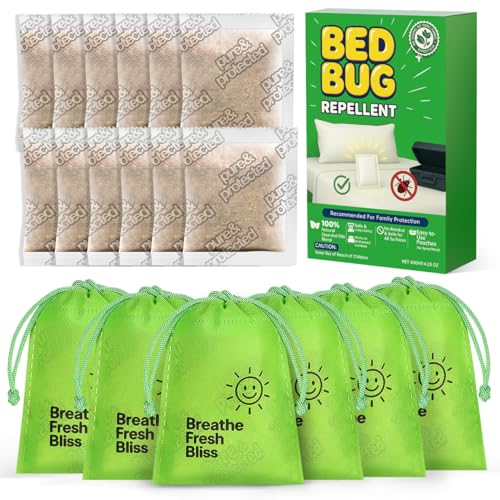 Olougda Bed Bug Repellent Pouches 12-Pack
|
9.1/10 | Buy |
| Best Value |
 EcoVenger Bed Bug Killer 16 oz Plant-Based
|
9.1/10 | Buy |
 Ortho Home Defense Max Bed Bug
|
8.8/10 | Buy | |
 Harris Toughest Bed Bug Killer 16oz Aerosol Spray
|
8.6/10 | Buy | |
 ROUTADE 12-Pack Natural Bed Bug Repellent Pouches
|
8.4/10 | Buy | |
| Best Premium |
 EcoVenger Bed Bug Killer 64 oz Spray
|
8.4/10 | Buy |
GoneNaturally Bed Bug & Dust Mite Mattress Spray
GoneNaturally Bed Bug Spray is a plant-based, scentless 16-ounce treatment formulated to eliminate bed bugs, eggs, nymphs, and dust mites across all mattress types, seams, and headboards. It dries fast without staining delicate fabrics or releasing harsh fumes, making it a reliable hygiene and pest defense choice for households, apartment renters, and travelers.
Pros
- Scentless, non-staining formula leaves no chemical odor or discoloration on mattress fabrics and linens
- Dries quickly so beds, pillows, and treated furniture remain sleep-ready the same day
- Eliminates all bed bug life stages including nymphs and eggs, as well as common dust mites
- Plant-based, USA-made formula safe around kids and pets when used as directed
Cons
- Requires consistent daily application for 14 or more days to thoroughly interrupt the egg hatching cycle
- Must be paired with regular high-heat laundering and vacuuming for complete pest eradication
- A single 16-ounce bottle may require additional repurchases to treat larger King mattresses and box springs
Olougda Bed Bug Repellent Pouches 12-Pack
The Olougda Bed Bug Repellent Pouches 12-Pack uses concentrated lemongrass essential oils in breathable sachets to create a clean, plant-based scent barrier around mattresses, bed frames, and travel gear. It provides up to two months of dry, residue-free deterrent protection per pouch, making it ideal for renters, college students, and travelers aiming to keep their sleep environment pest-free.
Pros
- Plant-based essential oil formula deters pests without harsh synthetic spray chemicals
- Dry sachet design prevents stains, oily residues, or moisture on mattress fabrics
- Slow-release aroma lasts up to two months per pouch for low-maintenance protection
- Versatile 12-pack covers mattress frames, guest rooms, closets, and travel luggage
Cons
- Concentrated natural lemongrass scent can feel quite strong during the first few days
- Functions primarily as a preventative deterrent rather than a treatment for heavy established infestations
- Requires replacement every sixty days to maintain active botanical protection
EcoVenger Bed Bug Killer 16 oz Plant-Based
EcoVenger Bed Bug Killer is a USDA BioBased botanical spray formulated to eliminate bed bugs, mites, and eggs directly on mattresses and box springs. Ideal for renters, homeowners, and hospitality hosts, this child- and pet-safe treatment delivers two weeks of dry residual protection without harsh synthetic pesticides.
Pros
- Safe for direct application on mattresses, box springs, and upholstered bed frames without synthetic chemicals.
- Proven contact mortality across all life stages, including eggs and pesticide-resistant strains.
- Delivers two weeks of dry residual protection to defend sleep surfaces against lingering pests.
- USDA BioBased and dermatologically safe formula that is child- and pet-friendly around the bedroom.
Cons
- Delicate spray nozzle assembly requires careful handling during transit and use to prevent damage.
- Natural cedarwood and botanical essential oils produce a noticeable herbal scent upon initial application.
- Residual defense requires reapplication after two weeks for ongoing protection in high-risk environments.
Ortho Home Defense Max Bed Bug
Ortho Home Defense Max is a ready-to-use 1-gallon indoor pest spray formulated to treat mattress seams, tufts, and bed frames against bed bugs, fleas, and ticks. Featuring an ergonomic Comfort Wand applicator, it provides essential protection for homeowners, renters, and hosts dealing with stubborn or pyrethroid-resistant bedroom pests.
Pros
- Includes an ergonomic Comfort Wand for extended reach into narrow bed frame joints and mattress folds
- Formulated to kill pyrethroid-resistant bed bug strains along with their eggs to disrupt breeding cycles
- Generous one-gallon ready-to-use volume treats multiple bedrooms and bed frames without pre-mixing
- Direct spot application helps target pest hiding zones along mattress tufts, seams, and baseboards
Cons
- Designed strictly for spot treatment along seams and tufts, not for broadcast spraying across the main sleeping surface
- Requires patience and proper room ventilation until treated areas dry completely before remaking the bed
- A 10-pound full gallon jug can feel heavy to carry during extended bedroom treatments
Harris Toughest Bed Bug Killer 16oz Aerosol Spray
Harris Toughest Bed Bug Killer is a 16-ounce EPA-registered aerosol spray formulated to eliminate pyrethroid-resistant bed bugs and their eggs on mattresses, box springs, and bedroom furniture. Offering rapid contact knockdown and up to 16 weeks of residual protection, it is an essential maintenance solution for renters, homeowners, and travelers safeguarding their sleep environment.
Pros
- Kills pyrethroid-resistant bed bugs and their eggs on direct contact
- Provides long-lasting residual deterrence for up to 16 weeks post-application
- EPA-registered for indoor home use on mattresses, headboards, and furniture
- Aerosol spray can reaches narrow mattress seams, piping, and frame crevices
Cons
- Requires temporary room ventilation and full drying time before replacing bedding
- Severe structural infestations may require supplemental encasements or professional remediation
- Pressurized aerosol container requires careful storage away from heat and direct sunlight
ROUTADE 12-Pack Natural Bed Bug Repellent Pouches
The ROUTADE 12-Pack Bed Bug Repellent Pouches provide a plant-based, mess-free pest deterrent designed to safeguard mattresses, box springs, and bedding using essential oils like peppermint and cedarwood. It is an ideal preventative sleep hygiene accessory for renters, apartment dwellers, and guest room hosts looking to protect their mattress investment without chemical sprays.
Pros
- Dry, pre-filled pouch design avoids the fabric staining and foam dampness associated with liquid bed bug sprays
- Natural essential oil formula provides an indoor pest deterrent that is safe around children and pets
- Pack of 12 delivers multi-month preventative coverage for a single bed or whole-home defense across multiple beds
- Compact profile tucks easily under mattress seams, headboards, and foundation slats without compromising sleep comfort
Cons
- Initial peppermint and cedarwood essential oil aroma may be strong for scent-sensitive sleepers near the head of the bed
- Designed primarily as a preventative deterrent rather than an active eradication treatment for severe, established infestations
- Requires regular monthly replacement to maintain consistent repellent vapor output around the mattress perimeter
EcoVenger Bed Bug Killer 64 oz Spray
EcoVenger Bed Bug Killer is a 64-ounce plant-based insecticidal spray engineered for direct application to mattresses, box springs, and bedding frames to eliminate bed bugs, mites, and eggs. Formulated with botanical extracts like cedarwood and geraniol, it provides two weeks of residual protection without harsh synthetic pesticides, making it a reliable hygiene solution for households, renters, and hosts.
Pros
- Non-toxic, USDA BioBased formula safe for direct use on mattresses, box springs, and bedding
- Proven 100% contact kill rate on adult bed bugs, resistant strains, and eggs
- Provides up to two weeks of residual protection after drying
- Natural botanical active ingredients without synthetic neurotoxic pesticides
- Safe around children and pets when applied according to instructions
Cons
- Natural cedarwood and botanical scent may require brief bedroom ventilation while drying
- Spray nozzle contains delicate components that require gentle handling during application
- Liquid application requires complete drying time before refitting mattress encasements and sheets
A Step-by-Step Mattress Inspection and Detection Protocol
Uncovering an insect infestation early prevents minor pest introductions from turning into structural bedroom invasions. Mattresses provide warmth, close host proximity, and countless textile crevices that harbor cryptic pests during daylight hours. A methodical examination allows you to pinpoint activity before bites become frequent or insects spread across room baseboards. Inspecting your sleep environment requires patience, proper lighting, and an organized pathway across every layer of your bed.
Essential Tools to Assemble Before Inspecting Your Bed
Gathering the right inspection tools makes the difference between identifying early activity and missing cryptic harborage sites. A high-lumen LED flashlight reveals subtle irregularities cast against mattress piping and textured knit covers. A rigid plastic card, such as an old rewards card, serves as an ideal probe for gently parting tight seam threads and welt cords without ripping delicate mattress stitches. You should also keep a magnifying glass and a roll of white paper towels nearby to examine microscopic debris and test stains.
Wearing disposable nitrile gloves protects your hands while lifting heavy mattress corners and examining suspicious biological residue. A roll of clear adhesive tape allows you to capture suspected specimens instantly for closer physical examination without crushing their bodies. Keeping a small spray bottle containing plain water or isopropyl alcohol helps perform quick stain solubility checks on fabrics. Having these supplies organized in a small caddy prevents you from repeatedly stepping away and spreading potential debris across the bedroom floor.
Identifying Physical Indicators of Bed Bug Activity
Living insects often remain deeply concealed, meaning biological trace evidence provides the initial proof of an infestation. Fecal spotting appears as tiny, dark brown or black dots resembling fine pen marks clustered around textile seams. Unlike common surface dirt, these spots consist of digested blood that sinks into mattress fabric fibers and resists simple brushing. If you moisten a white paper towel and rub a fresh mark, genuine bed bug fecal matter typically dissolves and smears into a rusty reddish-brown hue.
Molted skins and egg deposits offer further confirmation of an active, breeding pest population within your sleep environment. As juvenile nymphs develop through five distinct growth stages, they discard rigid amber-colored exoskeletons that retain the insect shape. These translucent shells collect inside mattress crevices, tufting dimples, and corner protectors where pests congregate between blood meals. Tiny, pearl-white eggs measuring roughly one millimeter in length are glued securely to rough seam fibers, making them difficult to dislodge with gentle shaking.
Unexplained blood droplets on light sheets often indicate that feeding insects were inadvertently compressed during nighttime movement. While heavy infestations produce a sickly sweet, musty odor reminiscent of crushed coriander, early infestations rarely create a detectable scent. Relying solely on skin reactions can be misleading because individual immune responses vary dramatically from severe itchy welts to zero visible skin irritation. Physical confirmation on your mattress fabric remains the only reliable foundation for planning an effective pest management strategy.
Systematically Checking Mattress Seams, Tufts, and Welting
Beginning your physical inspection requires stripping the mattress completely and handling all linens with deliberate care. Carefully unmake the bed, rolling sheets inward to avoid flinging loose insects onto nearby carpets or baseboards. Seal your sheets, pillowcases, and duvet covers directly into heavy-duty plastic bags for immediate high-heat laundering. Once the bare mattress fabric is exposed, position your bright light at an oblique angle to create shadows across the surface contours.
Welting cords, braided borders, and edge bindings represent the primary harborage zones on traditional innerspring and hybrid sleep surfaces. Slowly slide your plastic card under the thick fabric piping along the top edge of the mattress, lifting the lip to expose the hidden stitch line. Pay close attention to deep tufting buttons and decorative surface stitching where fabric folds create sheltered pockets. Examine every inch of the mattress perimeter systematically, working clockwise around the entire perimeter before checking the opposing side.
Modern memory foam and latex beds often feature zippered encasements that introduce additional hiding crevices along zipper teeth and slider covers. Check the small fabric pocket where the zipper pull parks, as pests frequently squeeze into this snug recess. Inspect fabric care tags and corner fire-retardant labels where layers of sewn fabric overlap tightly. Lift the mattress onto its side to inspect the bottom fabric surface and lower welting seams with the same level of rigorous detail.
Inspecting Box Springs, Platform Foundations, and Bed Frames
Pests frequently migrate downward from the upper mattress surface into underlying box springs and structural support foundations. Box springs offer vast, hollow interior chambers that provide exceptional shelter for expanding colonies. Examine the upper fabric perimeter of the box spring before leaning the foundation against a wall to inspect the underside. Look closely at the thin non-woven dust cover stapled to the bottom frame, searching for dark spotting along the perimeter staples.
Carefully peel back loose edges of the bottom dust gauze or remove staple rows to shine your flashlight inside the wooden box spring framework. Wooden slats, internal corner blocks, and metal spring intersections often harbor clusters of nymphs, eggs, and adults. If you sleep on a platform bed or slatted foundation, inspect the resting points where support slats meet the side rails. Bed bugs prefer natural unfinished wood grain over smooth metal because rough timber surfaces provide traction and protective micro-crevices.
Bed frames, headboards, and attached hardware demand equal scrutiny during any comprehensive sleeping quarters inspection. Remove the mattress and foundation completely from the frame to reveal screw holes, bracket joints, and caster wheels. Detach wall-mounted headboards or pull freestanding frames away from bedroom walls to examine the rear panels and baseboard contacts. Tiny cracks around joint screws and caster sockets can easily shelter adult insects that travel onto the mattress during deep sleep.
Distinguishing Bed Bugs from Other Common Mattress Pests
Misidentifying household pests can lead to improper treatments that waste effort and fail to resolve the underlying issue. Carpet beetle larvae commonly inhabit mattress seams and wool bedding, feeding on organic debris rather than human blood. These larvae appear hairy and segmented, leaving behind golden, bristly shed skins that lack the distinct segmented abdomen of bed bug nymphs. Adult carpet beetles are small, oval, and display mottled gray, white, and brown coloration rather than a uniform mahogany tone.
Fleas and booklice can also surface around mattress environments, causing confusion for anxious homeowners. Fleas are vertically flattened insects built for leaping through pet fur, whereas bed bugs are horizontally flat and crawl smoothly across fabrics without jumping or flying. Booklice thrive in humid rooms with microscopic mold, displaying softer, elongated bodies that feed on fungi rather than mammal hosts. Performing a water dissolution test on suspicious fecal marks helps eliminate flea dirt and ordinary textile debris from consideration.
Immediate Action Steps When Evidence Is Confirmed
Confirming bed bug presence requires prompt, calculated containment to stop the infestation from dispersing into adjacent rooms. Avoid stripping the bed haphazardly or dragging untreated mattresses through hallways, which dislodges active insects onto floorboards. Keep the mattress strictly inside the affected room while preparing targeted containment and sanitation steps. If you require temporary sleeping arrangements while treating the primary room, setting up heavy-duty temporary sleep setups in an uninfested area keeps you elevated and protected.
High-temperature heat exposure remains one of the most reliable non-chemical tools for sanitizing washable bedding elements. Wash all sealed linens, mattress protectors, and removable covers in hot water and run them through a residential dryer on high heat for at least thirty minutes. Vacuum all mattress crevices, piping edges, tufting pockets, and frame rails using a crevice tool attachment. Seal the vacuum bag or canister contents into a plastic trash bag immediately afterward and discard it outside your home.
Targeted steam application provides deep penetration into seams where vacuum suction cannot reach dense insect clusters. A commercial-grade garment or upholstery steamer delivering steam above one hundred and sixty degrees Fahrenheit destroys active stages and eggs on contact. Move the steam nozzle slowly along mattress piping and frame joints, taking care not to saturate memory foam cores with excessive moisture. Allow the surface materials to dry completely before applying any follow-up botanical sprays or protective encasements.
Evaluating Contact Sprays, Residual Barriers, and Repellents
Selecting appropriate pest management formulas requires balancing immediate elimination power with indoor fabric safety. Plant-powered botanical sprays, such as formulas utilizing geraniol and cedarwood oils found in EcoVenger by EcoRaider, offer contact control across nymphs and adults while providing dry residual protection. Scentless plant-based solutions like GoneNaturally utilize soybean oil formulations that avoid artificial fragrance in the bedroom while remaining safe for fabric fibers. These contact treatments target hidden eggs glued within mattress welting without leaving persistent chemical smells in sleeping areas.
Severe infestations or resistant populations often require broad-coverage liquid treatments or targeted aerosol formulations for hard-to-reach frame crevices. Products like Ortho Home Defense Max offer convenient wand applicators designed for baseboards, mattress tufts, and perimeter seams. Aerosol options, such as Harris Toughest Bed Bug Killer, deliver rapid knockdown within tight mechanical joints and screw holes where liquid sprays cannot easily penetrate. Always verify product labels to ensure formulations are registered for direct mattress seam application rather than broad surface soaking.
Preventative maintenance also benefits from slow-release repellent pouches that deter pests from re-entering clean furniture zones. Formulations like Olougda essential oil pouches or ROUTADE natural deterrent packs disperse botanical aromatics including lemongrass, peppermint, and citronella. Tucking these pouches behind headboards, beneath storage foundations, or inside luggage prevents hitchhiking bugs from establishing new colonies. Combining direct contact sprays along structural seams with dry botanical pouches creates a multi-layered barrier across the perimeter of your bed.
Installing Protective Encasements and Long-Term Monitoring
Installing a certified bed bug mattress encasement represents a vital defense step once initial cleaning and treatments conclude. A proper encasement features specialized micro-zipper teeth and a sealed end flap that prevents insects from entering or escaping the mattress core. Any surviving insects trapped inside are denied feeding access and gradually perish, while new pests are forced to remain on the smooth outer surface where they are easily spotted. Encase both the mattress and the box spring to seal off interior harborage points permanently.
Climbing interceptor traps placed under each bed frame leg provide continuous passive surveillance for recurring insect movement. Pull the bed frame at least six inches away from walls and ensure sheets or dust ruffles never touch the bedroom floor. This isolation technique forces wandering insects to traverse the bed legs, where slick interceptor wells trap them before they reach the mattress. Inspect these monitoring traps weekly to confirm that your sleeping surface remains free from unwanted pests.
Conducting regular, systematic mattress inspections transforms bedroom maintenance from an anxious guessing game into an organized routine. Checking seam welting, foundation frames, and headboard joints every few months helps you catch isolated insects before they compromise your sleep sanctuary. Combining clean inspection practices with protective encasements ensures your bed remains a hygienic, restful environment for restorative nightly sleep.
About the author
Jackson Lindeke is a Certified Sleep Science Coach and product expert specializing in mattresses, bedding and sleep products. He has years of experience developing evaluation methods and translating product-testing data into practical recommendations that help consumers choose products suited to their individual sleep needs.