
How to Find Leak in Air Bed Mattress: Practical Guide for 2026
Learn how to find leak in air bed mattress with reliable detection steps, seal damaged seams, and restore firm spinal support in October 2026.
 By Jackson Lindeke
Updated October 6, 2026
By Jackson Lindeke
Updated October 6, 2026

Waking up in the middle of the night sinking toward the floor is one of the most frustrating sleep disruptions. When an inflatable mattress deflates, spinal alignment collapses, leaving the lower back, hips, and shoulders bearing uneven pressure against the hard ground. Knowing how to find leak in air bed mattress allows you to restore stable lumbar support and protect your bedding investment without discarding a salvageable bed. Many sleepers assume a deflated surface indicates a catastrophic structural failure, but pinpointing tiny pinholes, valve leaks, or seam separations is straightforward with methodical testing. Utilizing dependable tape for air mattress holes or liquid vinyl patches can often seal the breach in minutes once you identify the escape route.
Distinguishing between true air loss and normal synthetic material relaxation is the essential first step before applying repair adhesive. Newly manufactured air beds naturally expand during their initial nights of use, mimicking the feeling of a slow leak while internal chambers settle into place. Whether you are prepping an air mattress for guests or diagnosing an everyday sleep surface, finding the exact point of air escape requires a calm approach and practical detection techniques. The guide below walks through proven diagnostic steps, pressure tests, and permanent repair methods so you can sleep comfortably without unexpected overnight sagging.
| Award | Product | AMG Score About AMG ScoreThe AMG Score is our own rating from 0 to 10, based on performance, design and build, ease of use, and value. It reflects independent research and is never influenced by manufacturers, retailers, or affiliate commissions. Learn more › | |
|---|---|---|---|
| Best Overall |
Moonsea Quilted Queen Air Mattress Pad
|
8.8/10 | Buy |
| Best Value |
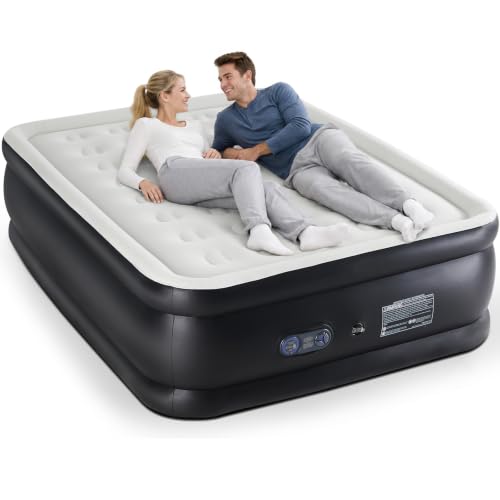 Sweetcrispy 22-Inch Queen Air Mattress
|
8.8/10 | Buy |
| Best Budget |
 Yeardera Air Mattress Patch Kit
|
8.3/10 | Buy |
 Amazon Basics Queen Air Mattress with Pump
|
8.3/10 | Buy | |
 Intex Dura-Beam 22-Inch Queen High-Rise Camping
|
8.3/10 | Buy | |
| Best Premium |
 OhGeni 20-Inch Raised Queen Air Mattress
|
8.1/10 | Buy |
 King Koil 20-Inch Queen Air Mattress with Built-In
|
8.1/10 | Buy | |
 Luxchoice 9-Inch Queen Camping Air Mattress
|
7.8/10 | Buy |
Moonsea Quilted Queen Air Mattress Pad
The Moonsea Quilted Queen Air Mattress Pad provides a plush down-alternative cushion and an extra-deep 23-inch stretch skirt tailored specifically for tall raised air beds. It is an ideal bedding upgrade for home hosts and campers looking to eliminate noisy vinyl crinkling while keeping sheets securely anchored.
Pros
- Generous 23-inch stretch skirt easily accommodates ultra-tall double-high raised queen air mattresses
- Down alternative quilted filling dampens rubbery vinyl squeaks and crinkling noises for a quieter night of sleep
- Breathable microfiber top layer creates a softer, more comfortable sleep surface than bare flocked vinyl
- Protects inflatable guest mattresses from stains, dirt, and friction wear to help preserve material longevity
Cons
- Arrives vacuum packed and requires a few days of resting or gentle patting to regain full quilted loft
- Adds extra packed bulk to store alongside a deflated queen air bed between guest visits
- Provides light quilted cushioning rather than thick orthopedic pressure relief
Sweetcrispy 22-Inch Queen Air Mattress
With an elevated 22-inch double-height design, this Sweetcrispy mattress inflates in four minutes using an integrated 110V electric pump. Its honeycomb structure supports up to 660 pounds, making it a supportive choice for home hosting or powered campsites.
Pros
- High 660-pound weight support
- Built-in electric pump allows fast setup
- Elevated 22-inch height provides bed-like feel
- Non-slip bottom reduces floor noise
- Comfortable moisture-wicking flocked top
Cons
- Requires a 110V power outlet to operate
- Weighs 17.4 pounds, limiting manual portability
- Larger footprint requires significant tent space
Yeardera Air Mattress Patch Kit
The Yeardera Air Mattress Patch Kit provides 60ml of high-strength, flexible PVC adhesive and clear patches designed to restore airtight seals on punctured camping air beds and outdoor gear. It is an essential, budget-friendly repair solution for tent campers and gear owners looking to fix slow leaks without replacing their entire mattress.
Pros
- Airtight and flexible cure resists repeated inflation cycles and body weight pressure on camping beds
- Waterproof formulation protects against moisture and tent floor condensation
- Compatible with a broad range of PVC, ABS, and EVA camp gear and outdoor inflatables
- Clear patches maintain an unobtrusive repair without unsightly yellowing
Cons
- Requires 24 hours for optimal bonding strength and 48 hours for a complete cure, making instant midnight repairs unfeasible
- Not designed for pure TPU film, silicone, or nylon fabric sleep pad surfaces without manufacturer-reviewed compatibility
- Flocked mattress surfaces require scraping or sanding down to raw vinyl before applying adhesive and patches
Amazon Basics Queen Air Mattress with Pump
Equipped with an integrated 120V pump and a sturdy 600-pound capacity, this queen bed simplifies setup for visiting guests or powered campsites. While its 9.5-inch profile sits relatively low to the ground, the lightweight build packs away easily into the included travel bag.
Pros
- Built-in 120V electric pump simplifies inflation
- High 600-pound weight capacity accommodates two adults
- Soft flocked top prevents bedding from slipping
- Weighs under 10 pounds for easy transport
Cons
- Low 9.5-inch profile sits close to the floor
- Main pump requires access to a standard 120V outlet
Intex Dura-Beam 22-Inch Queen High-Rise Camping
The Intex Dura-Beam 22-Inch Queen Air Mattress provides standing-height comfort and dependable Fiber-Tech internal support for electric-hookup campsites and cabin trips. With a built-in 110-120V electric pump and a 600-pound weight capacity, it is a great choice for car campers with access to AC power.
Pros
- High 22-inch elevation makes getting in and out of bed as easy as a traditional home mattress.
- Built-in 110-120V electric pump delivers quick, hands-free inflation and deflation in under five minutes.
- Dura-Beam Fiber-Tech construction provides reliable horizontal body support with a 600-pound limit.
- Velvety flocked finish adds surface comfort and helps reduce sleeping bag sliding.
Cons
- Integrated electric pump requires a standard 110-120V household outlet, campground electric pedestal, or portable AC power station.
- Tall 22-inch profile can press against angled walls in low-profile dome tents, requiring a standing-height cabin tent.
- Initial material stretching during the first few nights requires air top-offs before the vinyl fully settles.
OhGeni 20-Inch Raised Queen Air Mattress
The OhGeni 20-Inch Raised Queen Air Mattress features an elevated double-high profile, 35 internal coil-beam support points, and an integrated electric pump supporting up to 800 pounds. It is an excellent choice for home hosts, transitional movers, and visiting families seeking an easy-to-enter, dependable temporary bed.
Pros
- True 20-inch double-high elevation provides bed-like access that relieves joint and back strain
- 35 independent coil-beam support points reduce center sag and distribute weight better than basic open-beam designs
- Substantial 800-pound maximum weight capacity easily handles two adult sleepers
- Integrated electric pump simplifies setup and takedown with fast operation directly at the turn of a dial
- Dedicated 10-year product support policy backed by responsive manufacturer customer assistance
Cons
- PVC material naturally stretches during the first 2 to 3 nights of use, requiring a brief top-off to restore peak firmness
- Integrated electric pump requires standard household electrical access, making off-grid tent camping impractical without a power station
- At 18.3 pounds, the deflated mattress has noticeable heft that requires deliberate rolling for compact storage
King Koil 20-Inch Queen Air Mattress with Built-In
The King Koil 20-inch Queen Air Mattress delivers elevated, bed-like comfort with internal coil-beam support and a fast 2-minute 120V AC inflation system. Ideal for cabin campers, glampers, and powered campsite setups, it provides a stable 650-pound weight capacity for campers who prioritize easy bed entry.
Pros
- Elevated 20-inch height makes standing up and lying down much easier than low-profile floor pads
- Patented 120V / 210W AC pump inflates the mattress in just 2 minutes at powered campsites
- Internal coil-beam construction offers solid stability and supports up to 650 lbs for couples
- Plush flocked top surface improves comfort and helps grip sheets or sleeping bags
Cons
- Requires a standard 120V AC household outlet, campground electrical hookup, or compatible power inverter to run the built-in pump
- Tall 20-inch double-high profile can press against sloping walls in smaller low-profile dome tents
- Uninsulated internal air chambers offer no rated R-value, requiring an insulating topper for cold-weather camping
Luxchoice 9-Inch Queen Camping Air Mattress
Featuring an integrated cordless rechargeable pump and a low-profile 9-inch build, the Luxchoice Queen Camping Air Mattress delivers quick two-minute setup without household electrical cords. It is a practical sleep solution for tent campers, road trippers, and weekend outdoor adventurers seeking dependable off-grid inflation.
Pros
- Integrated rechargeable cordless pump eliminates the need for manual pumping or access to household outlets
- Low 9-inch profile offers great overhead clearance inside dome tents with sloping walls
- Fast two-minute inflation and active deflation speeds up campsite setup and teardown
- Includes an air coil beam design and a soft flocked top surface for comfortable sleeping support
Cons
- Uninsulated PVC construction lacks a listed R-value, requiring an extra sleeping pad or thermal blanket for cold weather
- Initial PVC material stretching during early uses requires topping off air to maintain desired firmness
- Integrated rechargeable pump must be fully charged prior to your trip to avoid arriving at camp without power
Essential Methods for Locating and Sealing Air Mattress Leaks
Locating a slow puncture in an inflatable bed requires patience, structured inspection, and an understanding of vinyl material physics. Before discarding an inflatable bed or assuming the internal structure has failed, isolating the exact escape route of pressurized air will save both time and money. Systematic testing eliminates guesswork and helps you apply a permanent repair that maintains proper spinal alignment throughout the night.
Distinguishing Actual Air Leaks from Natural Material Stretching
Before hunting for an elusive puncture, sleepers must recognize that not all overnight deflation stems from a physical hole. Flexible polyvinyl chloride (PVC) is an elastic polymer that naturally expands under the thermal warmth of the human body and internal air pressure. Manufacturers like Intex and OhGeni frequently note that new air mattresses require two to three nights of regular use for synthetic seams and chamber walls to fully relax. If a bed feels softer by morning during its first few setups, topping off the air volume will usually stabilize the surface tension.
Ambient room temperature fluctuations also cause noticeable shifts in mattress firmness that mimic slow leaks. Warm air inside the mattress contracts when bedroom temperatures drop overnight, reducing internal pressure without a single cubic inch of air escaping the chamber. This natural thermal contraction creates an impression of pelvic sinkage and joint stiffness upon waking. If the mattress retains its firmness after you re-inflate it during daytime hours without sleeper weight, cooling air or initial material stretching is almost certainly the culprit rather than a genuine puncture.
The Silent Room Acoustic and Tactile Inspection Method
When an air bed continues losing volume consistently across several sleep cycles, an acoustic inspection provides the fastest initial diagnosis. Begin by moving the mattress into the quietest room in your home, turning off fans, air conditioners, and background audio devices. Inflate the mattress to its maximum operational capacity so internal pressure pushes air forcefully through any compromised areas. High internal pressure significantly amplifies the subtle hissing sound that escapes from micro-tears or pinhole punctures.
Slowly walk around the perimeter of the bed, bending down to place your ear within an inch or two of the vinyl surface. Systematic movement prevents skipping critical stress zones along the outer edges and lower base. If ambient noise makes hearing difficult, moisten the back of your hand or your forearm with a damp cloth and glide your skin across the surface. Evaporative cooling makes human skin exceptionally sensitive to microscopic air streams, allowing you to feel tiny jets of escaping air that your ears might miss.
Pay close attention to the sound around the built-in mechanical pump assembly and manual intake valves. High-power electric pumps like those found on King Koil and Sweetcrispy beds incorporate intake flaps and rubber gaskets that can collect lint or debris over time. Press down gently on the surrounding vinyl while listening near the valve dial to determine whether the seal is whistling under compression. Identifying a valve issue early saves you from searching across square feet of puncture-free vinyl.
The Soapy Water Bubble Technique for Pinpoint Accuracy
The soapy water method remains the gold standard diagnostic technique for revealing elusive pinholes that produce zero audible sound. Mix a tablespoon of gentle liquid dish soap with warm water in a spray bottle or a small bowl until rich suds form. Avoid harsh detergents, bleach, or abrasive household cleansers, as corrosive chemicals can degrade the PVC coating and weaken factory welded seams. You need a slick, sudsy film capable of expanding under light air pressure without damaging synthetic materials.
Apply the soapy solution across individual sections of the fully inflated mattress using a soft sponge or spray nozzle. Work systematically across one quadrant at a time rather than drenching the entire mattress at once. Escaping air will push through the thin liquid film and form growing, iridescent soap bubbles directly over the breach. Even a microscopic pinhole smaller than a sewing needle will produce noticeable clusters of foam within thirty seconds of contact.
Once bubbles identify the leak, immediately circle the exact spot using a permanent marker or a strip of masking tape. Wipe away the soapy residue with a clean, damp towel and allow the surface to dry completely before applying any patch material. Leaving soap residue on the vinyl creates a slippery chemical barrier that prevents repair adhesives from forming a tight molecular bond. Rinsing thoroughly ensures that your subsequent patch adheres flat against the base material.
The Dry Paper and Air Movement Detection Strategy
Applying liquids to a mattress is not always practical, especially if you are diagnosing a leak on an outdoor camping trip or over velvet-flocked sleeping surfaces. In these scenarios, a dry detection method utilizing a single ply of lightweight tissue paper, facial tissue, or thin plastic wrap provides an effective alternative. Ensure the mattress is inflated to firm capacity so air velocity through the puncture remains strong enough to create detectable surface movement.
Hold a flat sheet of tissue paper by the upper corner and gently drag it across the vinyl surface, keeping it roughly a quarter-inch above the material. When the lightweight paper passes over an air escape point, the rising breeze will flutter the paper or push it upward. This visual indicator helps pinpoint microscopic pinholes on top sleep surfaces without soaking the soft flocking fabric. Move methodically along every groove to catch tiny tears before they widen into larger splits.
You can also hold an unlit smoking match or an incense stick near suspected sections if indoor air currents are completely still. Watch the rising smoke trail as you guide the source around welded seams and the lower perimeter. An escaping air jet will abruptly deflect or disrupt the steady smoke pattern, instantly highlighting the puncture site without leaving liquid residue. This method works particularly well in dim lighting where tiny soap bubbles might be difficult to spot.
Crucial Inspection Zones: Valves, Welded Seams, and Flocked Tops
Certain structural zones of an inflatable mattress experience far higher mechanical stress than flat panels and are therefore prime locations for leaks. The air intake valve represents the most common failure point across all inflatable designs. Debris, pet hair, or dried dust can prevent the internal rubber O-ring or silicone flapper from seating flush against the housing. Inspect the valve opening with a flashlight and wipe the rubber gasket with a clean cloth to eliminate debris before testing other surfaces.
Welded vinyl seams are another critical focal area during leak inspections. Raised air beds like the 20-inch or 22-inch models from OhGeni and Intex utilize internal tension bands, honeycomb columns, or coil-beam chambers to maintain spinal support and structural stability. The points where these internal baffles weld to the outer walls bear tremendous tensile strain when sleepers shift positions. Closely inspect the perimeter seams, bottom corners, and indentations on the sleep surface for hairline splits along the heat-welded joints.
Flocked velvet tops provide plush tactile comfort and skin-friendly breathability, but their textured fibers make leak detection uniquely tricky. Soap bubbles may absorb into the flocking rather than expanding into distinct domes, masking the leak site. If you suspect a top-panel leak, press firmly with both hands around each flocked groove to push air through the fabric while checking with a damp palm or listening closely. Taking extra time on textured areas ensures that hidden pinholes do not go unnoticed.
Preparing the Puncture Site for a Permanent Vinyl Seal
Finding the puncture is only half the battle; properly preparing the damaged substrate determines whether your repair holds under sleeper weight. Begin by completely deflating the mattress so internal pressure does not force air through the adhesive while it sets. Lay the damaged area flat on a hard, level surface like a floor or tabletop to provide a stable working foundation. Deflation prevents surface tension from warping the edges of your repair patch during application.
If the puncture is located on a flocked velvet surface, you must remove the fibers to expose the underlying raw PVC before applying glue. Adhesive applied directly over fuzzy flocking will peel off within hours under normal sleeper movement. Gently buff away the fuzzy flocking around the hole using fine-grit sandpaper or a gentle emery board until you expose smooth, clean vinyl. If you need temporary reinforcement while waiting for liquid glue to arrive, using heavy duty repair tape designed specifically for inflatables can bridge the gap.
Clean the bare vinyl thoroughly with isopropyl alcohol or warm water to remove dust, loose flocking particles, and skin oils. Allow the area to air dry completely for at least ten minutes. Clean, oil-free PVC creates the ideal contact surface for high-strength adhesives like the specialized vinyl glue found in the Yeardera repair kit. Taking time to degrease the vinyl ensures that the adhesive forms a permanent, airtight chemical weld.
Allowing Proper Cure Times and Pressure Testing the Repair
Applying liquid PVC adhesive and flexible vinyl patches requires careful adherence to chemical curing timelines. Cut a rounded patch that extends at least one inch beyond the edges of the tear, as sharp square corners tend to snag on sheets and peel away. Apply a thin, even coat of adhesive across both the patch and the damaged mattress surface, then press the patch down firmly from the center outward to expel trapped air bubbles. Smoothing the patch flat prevents tiny micro-channels where air might slowly seep through.
Place a smooth, heavy object like a hardback book weighted with a kettlebell directly over the freshly patched area to maintain even clamping pressure. Most high-strength PVC bonding agents require a minimum of 24 hours to cure, while full waterproof resilience often takes up to 48 hours. Rushing the curing process by inflating the bed too early will stretch the wet glue, blowing out the seal and forcing you to repeat the repair. Patience during the drying phase directly dictates the structural longevity of the fix.
Once the allotted curing period finishes, perform a staged pressure test before sleeping on the bed. Inflate the mattress to approximately eighty percent capacity and let it rest undisturbed for two hours to observe seam behavior. If the chamber retains volume, inflate to your desired sleeping firmness and rest across the surface, confirming that neutral spinal alignment remains steady and no air hisses from the perimeter of the new patch. A successful pressure test gives you complete confidence in the repaired seal.
Long-Term Leak Prevention and Sleep Surface Protection
Preventing subsequent punctures is significantly easier than diagnosing microscopic leaks inside welded vinyl baffles. The underside of an inflatable bed is particularly vulnerable to friction against floor debris, grit, and hidden carpet staples. When packing beds for outdoor excursions or family visits, checking guides on durable camping air beds highlights how protective ground tarps shield vulnerable PVC bottoms from sharp stones, twigs, and rough terrain. Keeping a clean ground cloth beneath the bed preserves the base vinyl for years.
Outfitting the top surface with an extra protective barrier adds tremendous puncture resistance while improving overall sleep ergonomics. Placing a deep-pocket quilted topper like the Moonsea mattress pad creates a thick, padded buffer that guards against pet claws, jewelry snags, and accidental punctures. In addition to physical puncture protection, a breathable quilted pad cushions sensitive pressure points across the hips and shoulders while insulating sleepers from cold vinyl surfaces. This combination of comfort and defense significantly extends the mattress lifespan.
Avoid over-inflating the mattress beyond its rated structural capacity. Forcing excessive air into an inflatable bed strains internal coil-beam welds and thins the vinyl walls, making the material significantly more prone to blowouts under sudden body movements. Maintaining a balanced medium-firm inflation level preserves the elasticity of synthetic materials, ensuring your air bed maintains dependable lumbar support. Operating the bed within its intended elasticity range prevents seam stress and unwanted deflation.
Taking a methodical approach to leak detection transforms an unexpected mattress breakdown from a sleep crisis into a straightforward DIY fix. By confirming that pressure drops are not simply normal PVC stretch or cold bedroom air contraction, you can systematically test valves, seams, and surfaces with sensory and soapy water methods. Thorough surface preparation, generous cure times, and protective bedding accessories will restore a firm, supportive sleep surface that keeps your spine aligned all night long.
About the author
Jackson Lindeke is a Certified Sleep Science Coach and product expert specializing in mattresses, bedding and sleep products. He has years of experience developing evaluation methods and translating product-testing data into practical recommendations that help consumers choose products suited to their individual sleep needs.