
How to Make Air Mattress Warmer: Practical Guide for 2026
Learn how to make air mattress warmer with proven insulation layers and thermal toppers to stop cold drafts and retain body heat in November 2026.
 By Jeremy Klein
Updated October 5, 2026

Waking up shivering in the middle of the night is a frequent frustration for anyone sleeping on an inflatable bed. Because the large internal air chamber naturally matches ambient room or ground temperatures, body heat conducts directly away from the sleeper throughout the night. Learning how to make air mattress warmer requires understanding how air circulates inside vinyl chambers and establishing effective thermal barriers. Setting up a proper sleep system for an air mattress for guests or home use ensures that conductive heat loss does not disrupt deep, restorative rest.
Traditional thin sheets do little to block the cold air circulating beneath you. Adding high-loft cushioning, reflective radiant barriers, or dedicated mattress toppers can transform an otherwise chilly vinyl surface into a cozy sleep environment. Proper insulation also shields against the convective drafts that pull warmth from your shoulders, hips, and lower back. With a few deliberate adjustments to your bedding stack and base insulation, you can stay comfortably warm in any indoor or mild outdoor setting.
| Award | Product | AMG Score About AMG ScoreThe AMG Score is our own rating from 0 to 10, based on performance, design and build, ease of use, and value. It reflects independent research and is never influenced by manufacturers, retailers, or affiliate commissions. Learn more › | |
|---|---|---|---|
| Best Overall |
Moonsea Quilted Queen Air Mattress Pad
|
8.8/10 | Buy |
| Best Value |
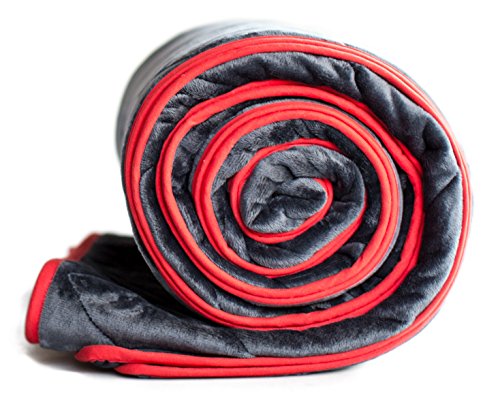 Alki Twilight Thermal Queen Mattress Topper |
8.6/10 | Buy |
Moonsea Quilted Queen Air Mattress Pad
The Moonsea Quilted Queen Air Mattress Pad provides a plush down-alternative cushion and an extra-deep 23-inch stretch skirt tailored specifically for tall raised air beds. It is an ideal bedding upgrade for home hosts and campers looking to eliminate noisy vinyl crinkling while keeping sheets securely anchored.
Pros
- Generous 23-inch stretch skirt easily accommodates ultra-tall double-high raised queen air mattresses
- Down alternative quilted filling dampens rubbery vinyl squeaks and crinkling noises for a quieter night of sleep
- Breathable microfiber top layer creates a softer, more comfortable sleep surface than bare flocked vinyl
- Protects inflatable guest mattresses from stains, dirt, and friction wear to help preserve material longevity
Cons
- Arrives vacuum packed and requires a few days of resting or gentle patting to regain full quilted loft
- Adds extra packed bulk to store alongside a deflated queen air bed between guest visits
- Provides light quilted cushioning rather than thick orthopedic pressure relief
Alki Twilight Thermal Queen Mattress Topper
Built for outdoor camping and home use, this insulated queen topper uses dual reflective metallic layers and micro plush fabric to reduce heat loss on cold air mattresses. It provides a machine-washable, slip-resistant layer of warmth without adding excessive bulk to your sleep setup.
Pros
- Dual reflective layers effectively minimize body heat loss
- Non-slip backing stays securely positioned on slick mattresses
- Fully machine-washable fabric simplifies post-trip care
- Plush top adds soft surface comfort without excess weight
Cons
- Queen size is too large for minimalist backpacking
- Thin pad profile prioritizes warmth over deep orthopedic support
Thermal Strategies and Insulation Methods for Inflatable Mattresses
Solving the issue of a cold inflatable bed comes down to controlling the physical movement of heat between your body and the surrounding environment. Because air mattresses lack built-in insulation, your body heat continually escapes into the internal air reservoir through conduction and convection. Implementing targeted thermal barriers both above and beneath the vinyl core stabilizes sleep temperatures and stops nighttime shivering. The following strategies break down the exact mechanics of thermal retention so you can build a warm, comfortable sleep setup in any room.
The Thermodynamics of Cold Air Mattresses
Sleeping on an inflatable bed often feels significantly colder than resting on an innerspring or memory foam mattress. The primary reason stems from basic thermodynamic principles governing heat transfer within enclosed chambers. An air mattress is essentially a large reservoir of uninsulated ambient air encased in synthetic polyvinyl chloride or vinyl. When you lie down, your body heat naturally warms the top layer of material, but that heat immediately dissipates into the massive volume of cooler air circulating underneath. Over the course of a single sleep cycle, this thermal deficit leaves the sleeper shivering even under heavy blankets.
This continuous heat exchange triggers an internal convection current inside the mattress. As warm air cools against the sides and base of the chamber, it sinks, forcing colder air upward toward your body. Synthetic vinyl offers almost zero thermal resistance, which means it rapidly absorbs and conducts ambient room or ground temperatures directly into the sleeper. Without an intentional barrier, your body works overtime trying to heat gallons of trapped air, leaving you chilled and restless by early morning.
Building an Effective Top Insulation Barrier
The most direct solution for blocking conductive heat loss is placing a dense buffer directly on top of the sleeping surface. A standard bed sheet provides minimal protection because body weight compresses thin cotton flat against the cold vinyl. Instead, an extra-thick quilted topper creates a vital dead-air buffer that traps warmth before it escapes downward. Down-alternative fiber pads work well because their lofty microfibers preserve pockets of trapped air even when subjected to normal body weight. This loft acts as an insulating buffer, preventing your body heat from ever contacting the cold PVC shell.
Products such as the Queen Mattress Pad Thick Quilted Mattress Topper from Moonsea illustrate this strategy effectively. Designed with thick down-alternative fiber fill and a noiseless microfiber bottom layer, it establishes a substantial thermal cushion that reduces contact chill. Its fitted-sheet skirt stretches up to 23 inches deep, which keeps the padding firmly anchored around tall inflatable beds without popping off when pressure shifts. Ensuring that your top pad remains stationary prevents cold drafts from slipping in around the edges during the night.
Deploying Radiant and Thermal Reflective Technology
Passive insulation works through bulk thickness, but radiant thermal reflection attacks heat loss from a different mechanical angle. Every human body radiates thermal infrared energy into its immediate environment during rest. When sleeping on cold surfaces, that radiated energy normally passes straight through thin bedding and gets absorbed by the unheated mattress core. Thermal toppers equipped with specialized reflective metallic layers redirect that lost heat directly back toward your body. By bounding thermal radiation back toward your skin, these materials dramatically reduce the energy required to maintain sleep comfort.
The Alki Twilight Thermal Mattress Topper represents an innovative application of this dual-layer thermal principle. It integrates metallic insulation designed to capture body heat while pushing the cold air interface away from the sleeper. A plush polyester micro-plush upper layer offers tactile softness and loft, while the brushed underside grips the slick vinyl surface of the mattress to prevent slipping. This combination of reflective technology and fleece-like cushion provides natural warmth without requiring electric cords or battery packs.
Insulating the Base Beneath the Air Chamber
Addressing the top surface is only half of the thermal equation when dealing with inflatable beds. Cold floors, including hardwood, tile, concrete, and damp earth, act as massive heat sinks that continuously drain warmth from the bottom of the mattress. If the floor beneath the bed remains frigid, the air inside the chamber will never stabilize at a comfortable temperature. Placing a heavy insulating foundation beneath the mattress breaks this thermal bridge and slows conductive cooling. Without ground protection, the bottom of the inflatable chamber continuously pulls cold air upward, neutralizing even the thickest blankets.
Thick wool rugs, closed-cell foam sleeping pads, or durable moving blankets serve as excellent barrier materials on bare floors. Elevating the mattress off the ground on a folding cot or platform frame can also prevent direct contact with chilly flooring. This ground-level protection is particularly crucial when setting up camping air mattresses in tents where ground temperatures drop sharply after sunset. Creating a multi-layered buffer beneath the PVC shell keeps the internal air core closer to room temperature throughout the night.
Bedding Architecture and Layering Sequence
The order in which you assemble your bedding plays a substantial role in maintaining steady warmth. Begin by placing your insulating pad or thermal topper directly over the bare vinyl surface. Next, fit a snug, breathable sheet over the topper to create a secure, comfortable sleeping surface that holds all layers together. Choosing flannel or brushed microfiber sheets rather than crisp percale cotton will prevent an initial sensation of chill when climbing into bed. A high-thread-count sheet can also seal the edges of your mattress topper, keeping ambient bedroom breezes from entering beneath the padding.
Top covers require an equally thoughtful layering structure to prevent convective heat loss into the room. A medium-weight fleece or wool blanket should rest immediately over the flat sheet to trap rising body warmth. Top off the sleep system with a dense duvet or heavy comforter that drapes generously over the perimeter of the bed. Ensuring that blankets hang over the edges prevents cool ambient drafts from circulating under the covers whenever you shift positions.
Managing Room Microclimates and Ambient Air Circulation
The microclimate surrounding your sleeping area directly influences how quickly an inflatable mattress cools down. In typical residential bedrooms, cold air tends to settle in low pockets near the floor and along exterior walls. Positioning an air bed away from drafty windows, exterior doorways, and floor-level heating vents helps maintain a more stable ambient temperature. If the room has hard surface flooring, laying down an area rug can reduce ambient chill in the immediate vicinity.
Air currents from ceiling fans or HVAC return grates can also strip thermal energy from your bedding stack through convective cooling. Directing airflow away from the bed ensures that your top layers retain their insulating loft without continuous heat dissipation. In cooler guest rooms or cabins, pre-warming the space with a space heater before bedtime can bring the mattress chamber up to a neutral starting temperature. Once the room reaches a stable temperature, the bed will lose heat at a noticeably slower rate.
Two-Sleeper Considerations and Body Heat Dynamics
Sharing an air mattress with a partner alters thermal behavior in several notable ways. On one hand, two human bodies generate double the radiant thermal energy, which can help warm the immediate bedding zone. On the other hand, increased body weight compresses comfort padding more deeply, potentially reducing the dead-air loft that provides insulation. When two sleepers shift positions, internal air displacement can also push cooler air pockets toward one side of the bed.
When arranging an air mattress for two adults, choosing a topper with wide dimensional coverage is essential. An undersized pad can slip toward the middle or expose the perimeter edges, leaving one sleeper exposed to cold vinyl. A generous queen-sized topper with deep elastic pockets ensures that the entire sleep surface remains uniformly insulated from edge to edge. Furthermore, using independent blankets or a generous king-size comforter prevents drafty gaps from opening between partners in the center.
Adjusting Air Inflation Levels for Thermal and Ergonomic Support
Inflation firmness plays an unexpected role in how well an air mattress manages nighttime warmth. An over-inflated bed stretches the vinyl surface taut, creating a rigid barrier with minimal contouring around your natural curves. When you lie on an unyielding surface, small air gaps form beneath your lumbar region and knees, allowing ambient room drafts to circulate against exposed skin. Slightly reducing internal pressure allows the mattress to cradle your body, creating closer contact with your insulating topper.
Conversely, an under-inflated mattress allows the hips and midsection to sink excessively deep toward the cold center of the bed. Excessive sag can compress comfort padding completely flat, which crushes the air pockets needed to retain body heat. Achieving a balanced medium feel ensures that your spine remains in neutral alignment while preserving the cushioning loft of your mattress pad. Testing firmness before tucking in bedding helps you find the sweet spot where thermal protection and ergonomic support work in harmony.
Choosing Between Down Alternative, Wool, and Foam Insulation
Selecting the right material for your comfort layer determines both thermal efficiency and physical pressure relief. Down-alternative polyester fill offers exceptional softness, hypoallergenic benefits, and easy machine washability. Because synthetic microfiber clusters trap ambient heat effectively, they serve as a practical, lightweight barrier against the chill of inflatable mattresses. Down alternative also compresses evenly beneath the body without creating rigid pressure points against sensitive joints.
Natural wool and dense memory foam toppers represent alternative insulating options with distinct performance characteristics. Wool fibers possess natural crimp and breathability, allowing them to regulate microclimates by absorbing excess humidity while retaining warmth. High-density memory foam provides deep contouring and significant thermal resistance, but it can become stiff in colder ambient room conditions. Evaluating material behavior under varying room temperatures ensures that your chosen topper delivers both resilient comfort and consistent warmth.
Practical Precautions and Setup Mistakes to Avoid
While seeking warmth, some users make critical mistakes that can compromise comfort or damage the mattress materials. A common impulse is placing an electric heating pad or standard heated blanket directly against the vinyl surface. Concentrated heating elements can soften polyvinyl chloride, causing seams to stretch, weaken, or develop slow air leaks. If you decide to use heated bedding, always keep it on top of several insulating layers and use low heat settings.
Another frequent error involves relying exclusively on heavy top blankets while neglecting the bottom insulation. Stacking four quilts on top will not keep you warm if your back remains pressed against an uninsulated, frigid air chamber. Heat naturally travels along thermal gradients, meaning the cold mattress will steadily pull warmth from your torso regardless of top layers. Balanced protection requires prioritizing what sits directly beneath your body before adding excessive weight over your chest.
Maintaining Insulation Performance and Mattress Longevity
Keeping your thermal layers in peak condition ensures consistent heat retention over multiple uses. Many mattress toppers arrive tightly compressed in vacuum packaging, requiring several days or gentle fluffing to regain full loft. Restoring full volume is critical because compressed fibers hold significantly less insulating air. Routinely laundering your quilted covers also removes body oils and sweat that can cause down-alternative fills to clump and lose thermal efficiency.
Condensation is another subtle challenge when pairing warm sleepers with cold inflatable mattresses. When warm, humid air from your body meets cold vinyl, moisture droplets can form beneath the topper if fabrics lack breathability. Using breathable microfiber materials and allowing the bed to air out between uses prevents dampness from accumulating against the PVC skin. With deliberate layer selection, thoughtful room placement, and proper base insulation, you can transform any inflatable mattress into a dependable, warm sleep sanctuary.
About the author
Jeremy Klein is a sleep-product tester specializing in mattress evaluation, testing methodology and data collection. His experience across mattresses, pillows and bedding gives him a practical understanding of support, comfort, materials and performance factors that matter when comparing sleep products.