
How to Stay Warm on an Air Mattress: Practical Guide for 2026
Learn how to stay warm on an air mattress during chilly nights with proper insulation layers and thermal setups updated for October 2026.
 By Jeremy Klein
Updated October 5, 2026
By Jeremy Klein
Updated October 5, 2026
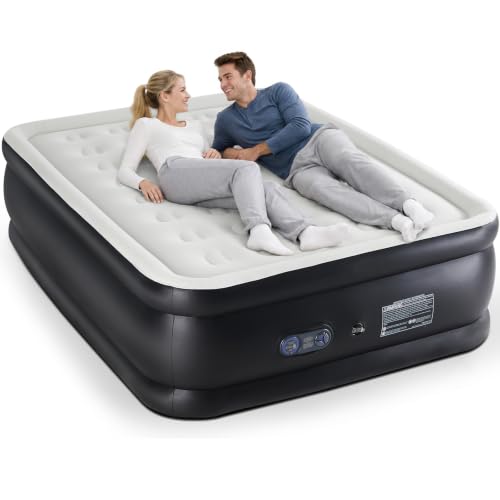
Sleeping on an inflatable bed during chilly weather often leads to an uncomfortable midnight surprise when ambient air chills the chamber below. Unlike dense standard beds, air-filled chambers actively conduct body warmth away from your spine, creating a continuous heat sink that pulls warmth straight out of your back and hips. Learning how to stay warm on an air mattress requires understanding this thermal transfer so you can build an effective barrier between your body and the trapped air. Whether preparing a temporary setup for an air mattress for guests or packing for a brisk outdoor excursion, the secret lies in stopping conductive heat loss before it reaches the core.
Standard bed sheets offer virtually zero thermal resistance against cold air chambers, leaving sleepers shivering even under heavy duvets. By combining insulated mattress toppers, high R-value foam barriers, and smart ground shields under your mattress, you can maintain steady spinal alignment and deep sleep all night long. Equipping quality camping air mattresses with dedicated thermal accessories transforms a drafty plastic surface into a cozy, temperature-regulated sleep sanctuary. Taking a few deliberate steps before turning out the lights ensures you stay warm, comfortable, and fully rested regardless of falling bedroom or tent temperatures.
| Award | Product | AMG Score About AMG ScoreThe AMG Score is our own rating from 0 to 10, based on performance, design and build, ease of use, and value. It reflects independent research and is never influenced by manufacturers, retailers, or affiliate commissions. Learn more › | |
|---|---|---|---|
| Best Overall |
Sweetcrispy 22-Inch Queen Air Mattress
|
8.8/10 | Buy |
| Best Value |
 Elegear 4-Inch Self-Inflating Memory Foam Camping
|
8.8/10 | Buy |
| Best Premium |
 Alki Twilight Thermal Queen Mattress Topper
|
8.6/10 | Buy |
 Hikenture 4-Inch Self-Inflating Queen Sleeping Pad
|
8.6/10 | Buy | |
| Best Budget |
 Luxchoice 9-Inch Queen Camping Air Mattress
|
7.8/10 | Buy |
Sweetcrispy 22-Inch Queen Air Mattress
With an elevated 22-inch double-height design, this Sweetcrispy mattress inflates in four minutes using an integrated 110V electric pump. Its honeycomb structure supports up to 660 pounds, making it a supportive choice for home hosting or powered campsites.
Pros
- High 660-pound weight support
- Built-in electric pump allows fast setup
- Elevated 22-inch height provides bed-like feel
- Non-slip bottom reduces floor noise
- Comfortable moisture-wicking flocked top
Cons
- Requires a 110V power outlet to operate
- Weighs 17.4 pounds, limiting manual portability
- Larger footprint requires significant tent space
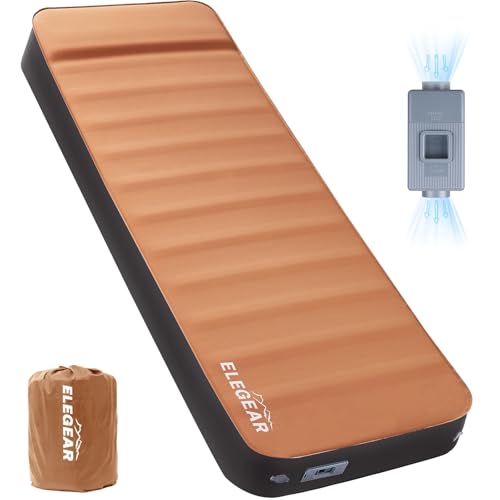
Elegear 4-Inch Self-Inflating Memory Foam Camping
The Elegear 4-Inch Self-Inflating Sleeping Pad combines 26D hollowed memory foam with air cushioning and an integrated electric pump for rapid setup. Offering adjustable firmness and an impressive 9.5 R-value, this portable single mattress provides dependable ground insulation and pressure relief for side, back, and stomach sleepers needing temporary or outdoor bedding.
Pros
- Built-in electric pump allows one-touch inflation in roughly one minute and vacuum deflation in two minutes without manual pumping.
- Substantial 4-inch thickness and 26D memory foam core isolate sleepers from cold, uneven ground or firm flooring.
- Exceptional 9.5 R-value delivers reliable all-season thermal insulation against cold drafts and damp floors.
- Integrated pillow design saves pack space while supporting head and neck alignment.
- Rugged 50D knitted fabric with a TPU coating offers quiet, tear-resistant surface comfort compared to crinkly vinyl airbeds.
Cons
- Single sleeper dimensions (79 x 28 inches) are narrower than a standard Twin mattress, limiting lateral roll-around room.
- Electric pump runtime is rated for 20 minutes before needing a recharge, requiring users to monitor battery levels before trips.
- Low 4-inch profile sits close to the floor, making entry and exit more demanding than a traditional raised bed frame.
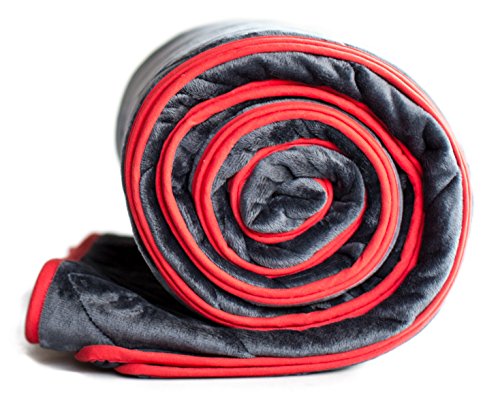
Alki Twilight Thermal Queen Mattress Topper
Built for outdoor camping and home use, this insulated queen topper uses dual reflective metallic layers and micro plush fabric to reduce heat loss on cold air mattresses. It provides a machine-washable, slip-resistant layer of warmth without adding excessive bulk to your sleep setup.
Pros
- Dual reflective layers effectively minimize body heat loss
- Non-slip backing stays securely positioned on slick mattresses
- Fully machine-washable fabric simplifies post-trip care
- Plush top adds soft surface comfort without excess weight
Cons
- Queen size is too large for minimalist backpacking
- Thin pad profile prioritizes warmth over deep orthopedic support
Hikenture 4-Inch Self-Inflating Queen Sleeping Pad
The Hikenture 4-Inch Queen Self-Inflating Sleeping Pad pairs high-density foam cushioning with an integrated electric pump for rapid 90-second campsite setup. Boasting a listed 9.5 R-value and a whisper-quiet stretch-knit top, it is an outstanding option for car camping couples and basecamp organizers seeking true cold-ground thermal protection.
Pros
- Generous 4-inch adaptive foam core provides plush cushioning against rocky terrain
- Exceptional listed 9.5 R-value delivers serious thermal insulation from freezing ground
- Integrated electric pump automates both rapid inflation and reverse-suction pack-down
- Soft stretch-knit top fabric prevents noisy rubber squeaks and movement rustle
- True Queen 80-inch by 60-inch dimensions comfortably accommodate two sleepers
Cons
- At 10.8 pounds, the unit is suited strictly for vehicle and basecamp use rather than backpacking
- Relies on a working electric pump mechanism for optimal hands-free setup speed
- Wide Queen footprint requires a spacious tent floor plan with low-angle wall clearance
Luxchoice 9-Inch Queen Camping Air Mattress
Featuring an integrated cordless rechargeable pump and a low-profile 9-inch build, the Luxchoice Queen Camping Air Mattress delivers quick two-minute setup without household electrical cords. It is a practical sleep solution for tent campers, road trippers, and weekend outdoor adventurers seeking dependable off-grid inflation.
Pros
- Integrated rechargeable cordless pump eliminates the need for manual pumping or access to household outlets
- Low 9-inch profile offers great overhead clearance inside dome tents with sloping walls
- Fast two-minute inflation and active deflation speeds up campsite setup and teardown
- Includes an air coil beam design and a soft flocked top surface for comfortable sleeping support
Cons
- Uninsulated PVC construction lacks a listed R-value, requiring an extra sleeping pad or thermal blanket for cold weather
- Initial PVC material stretching during early uses requires topping off air to maintain desired firmness
- Integrated rechargeable pump must be fully charged prior to your trip to avoid arriving at camp without power
Essential Strategies for Insulating and Warming an Inflatable Bed
Staying warm on an inflatable sleep system requires addressing how air chambers interact with body temperature and ambient room conditions. Because uninsulated vinyl mattresses absorb cold from the surrounding environment, sleeping directly on them quickly siphons warmth away from your muscles and joints. Implementing proper thermal barriers beneath your body stops this rapid transfer and preserves restorative sleep throughout cold nights. Understanding how conductive and convective forces work makes it simple to transform any inflatable mattress into a cozy, supportive retreat.
The Thermodynamics of Cold Air Mattresses
Air mattresses feel notoriously cold because the enclosed air inside the mattress chamber circulates continuously beneath your body. When you lie down, your natural body heat transfers through your sheets into the top layer of PVC or vinyl. That warmed air immediately rises and mixes with the colder air inside the large internal chamber, which continually circulates downward toward the freezing floor. This cycle creates active convective cooling, effectively turning the air mattress into an oversized heat sink that drains your warmth all night.
Conductive heat loss also occurs where the bottom surface of the mattress rests against cold hardwood, tile, or uninsulated tent flooring. Cold flooring draws thermal energy downward through the thin synthetic floor of the mattress, dropping internal air temperatures significantly below room level. Piling heavy blankets on top of yourself cannot resolve this problem because the cold air attacks from underneath your compressed body. Effective insulation must therefore sit directly between your back and the mattress surface to stop downward conduction before it begins.
Creating a Ground Barrier to Stop Upward Drafts
Setting up your sleep system directly on a cold floor or frozen earth accelerates heat loss regardless of how warm your room feels. Placing an insulating barrier beneath the mattress prevents cold air from transferring into the bottom PVC panels. Dense wool rugs, moving blankets, closed-cell foam camping mats, or even heavy cardboard sheets can serve as effective floor barriers. This bottom buffer keeps the cold subfloor from chilling the internal air reservoir throughout your resting hours.
Using a ground barrier also protects the vinyl from micro-punctures caused by grit or rough flooring seams. Outdoor sleepers venturing into tents can pair these barriers with a rugged double air mattress for camping to establish a resilient defense against wet, frozen ground. The combination of floor protection and thermal resistance keeps the mattress base dry and significantly reduces condensation buildup. Taking a few minutes to lay down a protective base layer makes every subsequent bedding layer noticeably more effective.
Selecting High R-Value Pads and Thermal Mattress Toppers
The most direct way to eliminate cold drafts is placing an insulating layer directly on top of the sleep surface. Purpose-built accessories like the Alki Twilight Thermal Mattress Topper utilize dual layers of reflective metallic insulation to bounce radiant body heat back toward the sleeper. Combined with a soft micro plush top and a brushed polyester underside that grips the mattress surface, this design sends colder chamber air downward while keeping your body insulated. Because body weight compresses standard blankets flat, specialized thermal toppers retain their insulating loft even under significant pressure.
Self-inflating hybrid options offer another outstanding solution by integrating high-density insulating foam into the sleep chamber. Models like the Elegear Air & Foam Self Inflating Sleeping Pad 4″ incorporate 26D hollowed memory foam that achieves an impressive R-value of up to 9.5. This thick foam layer physically blocks cold air movement while cushioning pressure points across your hips and shoulders. The combination of open foam cells and controlled air cushioning delivers firm lumbar support alongside remarkable cold-weather insulation.
Similarly, the Hikenture 4″ Thick Self Inflating Sleeping Pad delivers an R-value of 9.5 using an internal Y-structure foam architecture that traps warm air pockets. By combining dense foam cushioning with stretch-knit fabric, this design creates an impenetrable barrier against damp, frigid surfaces while remaining whisper-quiet during tossing and turning. High R-value ratings above 5.0 generally indicate sufficient thermal resistance for extreme winter temperatures. Investing in foam-filled or radiant-reflective pads eliminates the need to carry stacks of bulky household quilts.
Structural Air Bed Profiles: Double Height vs Low Profile Thermal Differences
The profile height of an air mattress directly influences how much ambient air it holds and how close your body rests to cold floors. A double-height design such as the SWEETCRISPY Weight Capacity 660 lbs Air Bed elevates sleepers 18 to 22 inches above the ground, creating substantial physical distance from chilly flooring drafts. Its honeycomb column structure supports up to 660 lbs without collapsing, maintaining uniform internal air distribution so the mattress retains its shape throughout the night. However, a taller profile contains a much larger volume of air that requires adequate room warmth to equalize.
Lower profile mattresses like the Luxchoice Air Mattress Queen with Cordless Pump feature a compact 9-inch profile supported by internal air coil beams. Because low-profile beds hold less total air volume, their internal chambers adjust to bedroom temperatures somewhat faster than massive double-height beds. But being only 9 inches off the ground means cold floor drafts can affect you more quickly if the bottom is left unshielded. Choosing between high and low profiles depends on whether you prioritize distance from floor drafts or reduced internal air mass.
Step-by-Step Bedding Layering for Maximum Heat Retention
Constructing an insulated sleep system follows a specific sequence designed to seal out convective drafts and trap radiant warmth. Start by smoothing a thick base blanket or insulating foam mat across the floor before inflating your bed. Once the mattress reaches your preferred firmness, spread a fitted thermal mattress cover or radiant topper smoothly across the flocked sleep surface. Secure the topper tightly around the perimeter corners so it does not shift or bunch up when you move during the night.
Next, install a soft flannel or brushed microfiber fitted sheet over the thermal pad to provide a breathable, comfortable tactile layer against your skin. Synthetic sheets or natural flannel trap dead air pockets near the body far better than crisp, cooling cotton percale weaves. Top sheets should feature ample overhang so they can tuck securely along the sides and foot of the mattress. Tucking the bottom edges firmly creates an enclosed pocket that stops cold room drafts from slipping underneath your blankets.
Finish your bed setup with an insulating duvet, down comforter, or multi-layer wool blanket arrangement. Lofty insulating layers trap body heat on top, working in tandem with the thermal barrier underneath to create a stable microclimate. Ensure your top covers extend well past the mattress perimeter so cold air cannot penetrate along the edges when you roll over. This multi-tier sandwich construction keeps your core body temperature stable regardless of dropping nighttime temperatures.
Thermal Efficiency for Couples and Shared Air Beds
Sharing an inflatable bed introduces both thermal advantages and unique heat retention challenges. Two sleepers naturally generate twice as much radiant body heat, warming the bedding layers more quickly than a single person can alone. However, mismatched body weights can create an uneven center dip that causes cold air to collect along the depression. Selecting a supportive air mattress for two adults with robust internal coil or honeycomb beam reinforcements helps maintain a flat, level surface that prevents cold spots from forming.
Couples should also consider using individual top quilts or sleeping bags on top of a shared insulating mattress pad. Sharing a single top blanket often results in cold drafts entering the bed whenever one partner rolls over or pulls the fabric. Individual top blankets maintain a tight seal around each sleeper while allowing both people to benefit from the continuous thermal base below. This arrangement isolates movement while preserving a steady, uninterrupted pocket of warmth for both individuals.
Active Pre-Warming and Room Climate Management
Climbing into an already cold bed forces your body to expend valuable energy warming the cold bedding materials. You can easily pre-warm your setup by placing hot water bottles wrapped in towels beneath the covers twenty minutes before bedtime. Moving the bottles around the foot of the bed and the lumbar area preheats the materials and breaks the initial chill. Remove or relocate the bottles to the foot edge before sleeping to prevent accidental scalding or excess moisture buildup.
Managing ambient room conditions also plays a significant role in how warm your inflatable mattress stays overnight. Keep the bed away from uninsulated exterior walls, drafty window frames, and cold air conditioning registers. If using the bed inside a tent, pitch your shelter out of the wind and ensure the floor remains elevated on a dry groundsheet. Protecting the sleep area from active air currents keeps the mattress chamber from rapidly losing internal thermal energy.
Flocked Surfaces and Moisture Control for Nighttime Comfort
The texture of the mattress surface significantly affects how warm and dry you feel throughout the night. Mattresses featuring a plush flocking top layer, such as the SWEETCRISPY Weight Capacity 660 lbs Air Bed, feel soft against the skin while helping wick away minor perspiration. Sleeping directly on bare PVC or smooth vinyl creates a clammy surface that quickly pulls moisture and heat from your skin. Soft flocking adds a thin layer of micro-cushioning that eliminates the uncomfortable rubbery feel of standard inflatables.
Controlling moisture is just as critical as trapping heat because damp sheets dramatically accelerate body cooling. Adding a breathable mattress encasement or moisture-wicking mattress protector over the flocked top keeps condensation away from your body. The Luxchoice Air Mattress Queen with Cordless Pump also uses a soft flocked top designed to enhance surface comfort and reduce noise when shifting positions. Keeping the contact surface dry prevents that sudden midnight chill that occurs when sweat cools against synthetic fabrics.
Inflation Techniques and Humidity Inside the Chamber
The method you use to inflate an air bed impacts both its firmness stability and its internal thermal properties. Blowing into a manual valve with your breath introduces warm, moist air directly into the sealed vinyl chamber. As that moisture cools down, it condenses into cold water droplets inside the mattress that rapidly conduct heat away from the surface. Over time, internal condensation can also degrade vinyl seams and encourage musty odors inside the sealed bed.
Using built-in electric pumps completely avoids this condensation issue by pumping dry ambient air into the mattress. Modern self-inflating foam models like the Elegear Air & Foam Self Inflating Sleeping Pad 4″ and the Hikenture 4″ Thick Self Inflating Sleeping Pad feature one-touch electric pumps that inflate within ninety seconds to two minutes. The Luxchoice Air Mattress Queen with Cordless Pump offers a rechargeable cordless pump that makes outdoor setup quick and dry without requiring wall outlets. Pumping dry air into the chambers preserves thermal insulation and prolongs the lifespan of internal air coil beams.
Cold-Induced Pressure Shifts and Morning Adjustments
Many sleepers mistakenly believe their air mattress is leaking when they wake up on a sagging, cold surface in the morning. In reality, basic gas laws dictate that air contracts in volume as ambient temperatures drop during the night. A mattress inflated in a warm room will naturally lose internal pressure when overnight temperatures fall, resulting in noticeable sagging. This sag allows your body to sink deeper into the colder recesses of the mattress, increasing spinal misalignment and thermal loss.
New PVC materials also stretch naturally during their first few uses, which compounds the perceived loss of air. To counteract both material relaxation and temperature drops, inflate your mattress fully an hour before bedtime and top it off right before going to sleep. Built-in pumps allow you to perform a quick fifteen-second pressure adjustment without getting out of your pajamas. Maintaining optimal inflation firmness keeps your spine properly aligned and prevents your lower back from sinking into chilled air pockets.
Practical Summary for Warm and Supportive Sleep
Achieving a warm, restful night on an inflatable bed comes down to disrupting the convective heat sink beneath your body. Placing an insulating ground barrier stops cold floors from chilling the vinyl base, while high R-value foam pads or radiant toppers reflect body heat back where you need it most. Combining dry electric inflation, tucked microfiber bedding layers, and proper evening firmness top-offs prevents nighttime pressure dips and chilly drafts. With these deliberate insulation layers in place, your temporary air mattress will deliver dependable comfort and cozy warmth all night long.
About the author
Jeremy Klein is a sleep-product tester specializing in mattress evaluation, testing methodology and data collection. His experience across mattresses, pillows and bedding gives him a practical understanding of support, comfort, materials and performance factors that matter when comparing sleep products.