
Why Do Sheets Pill? Causes and Practical Fixes
Why do sheets pill? Learn how friction, laundering, and fabric fibers create fuzz, plus ways to reduce wear. Updated for November 2026.
 By Jackson Lindeke
Updated November 6, 2026
Fuzzy knots on sheets can make a bed feel rough and worn long before the fabric is otherwise unusable. If you’re asking why do sheets pill, the short answer is that loose fibers rub together, break, and gather into small balls on the surface. The process depends on fiber type, yarn construction, fabric finish, washing habits, and how much friction the bedding gets during use.
Pilling is usually a cosmetic sign of surface wear, not proof that sheets are unsafe or that a mattress is failing. Still, rough patches can affect comfort, and persistent fuzz may point to a fabric that is not holding up well for your routine. Knowing the likely cause helps you decide whether to adjust laundry care, reduce friction, or choose a different weave or material next time. For another bedding comparison, see this guide to silk sheet sets.

Product Shortcode
| Award | Product | AMG Score About AMG ScoreThe AMG Score is our own rating from 0 to 10, based on performance, design and build, ease of use, and value. It reflects independent research and is never influenced by manufacturers, retailers, or affiliate commissions. Learn more › | |
|---|---|---|---|
| Best Overall |
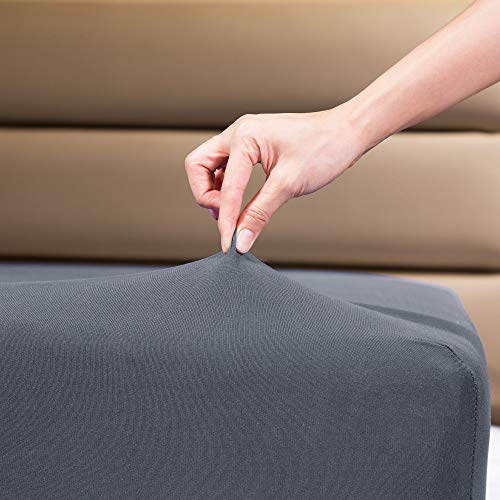 Fitted Sheet- COSMOPLUS Twin Fitted Sheet Only(No |
8.1/10 | Buy |
| Best Value |
Fitted Sheet- COSMOPLUS King Fitted Sheet Only(No
|
7.8/10 | Buy |
Why Sheets Pill and What You Can Do About It
Sheets pill when small fiber ends work loose from the yarn, tangle with neighboring fibers, and form little balls on the fabric surface. Friction is the immediate trigger, but the fiber and construction determine how readily those loose ends form and whether they shed away or remain attached. Washing, drying, sleeping, and rubbing against other bedding can all contribute.
How friction turns loose fibers into pills
Fabric is made from yarns, and yarns are made from fibers. In everyday use, sheets move against skin, sleepwear, blankets, a mattress protector, and one another. Repeated rubbing can pull short fiber ends from the yarn; those ends twist together and catch additional fibers until a visible pill forms.
Movement in a washing machine adds more rubbing, especially when a full load presses bedding against other items. The dryer can add tumbling friction as the fabric repeatedly folds and contacts itself. A rough mattress cover, coarse sleepwear, pet claws, or an abrasive blanket can create additional contact points during the night.
Friction does not affect every area equally. Pilling often appears where the body moves most or where fabric rubs against a textured surface, such as near the feet or along the side of the bed. If fuzz appears in a concentrated area, look for a repeated contact source rather than assuming the whole sheet has the same wear pattern.
Why fiber and fabric construction matter
Fiber length and yarn structure influence how readily fiber ends escape. Fabrics made with shorter fibers may expose more loose ends as they wear, while yarns that hold their fibers more securely can resist visible fuzzing under similar conditions. Fiber content alone does not tell the whole story, because spinning, weaving or knitting, finishing, and fabric weight also affect surface behavior.
Some synthetic fibers are strong and resist breaking, but a loose end may remain attached and wind into a noticeable pill rather than breaking away. Natural fibers can also pill, particularly when short fibers work out of a yarn. A label naming cotton, polyester, or a blend is useful, but it cannot predict pilling without information about the yarn and fabric construction.
Knitted fabrics stretch and flex differently from woven fabrics. A stretch knit may feel smooth and accommodating, while its loops and surface can still be affected by abrasion and care choices. The COSMOPLUS fitted sheets in the product list are described as four-way stretch micro-knit, wrinkle-resistant, and designed for mattresses within stated thickness ranges. The available product details do not establish a pilling-resistance rating or guarantee that the fabric will not pill.
Thread count is not a complete measure of resistance to pilling. It does not reveal fiber length, yarn twist, finishing, or how a fabric behaves after repeated washing. A higher figure by itself should not be treated as proof that a sheet will stay smooth longer.
Laundry habits that can increase surface wear
Overloading a washer leaves less room for sheets to move freely and can increase rubbing between textiles. Washing sheets with towels, garments with zippers, hook-and-loop fasteners, or rough fabrics can add abrasion. Separating bedding from those items is a simple way to reduce unnecessary contact during the wash.
High heat and extended tumbling may stress fibers, especially when sheets are already dry but continue cycling in the dryer. Follow the care label rather than assuming that the hottest setting is best for cleaning. A lower heat setting or line drying, when allowed by the label and practical for your home, can reduce dryer exposure.
Too much detergent or residue from fabric products can leave a coating that changes the feel of the surface, although residue is not the same thing as a pill. Use the detergent amount indicated for the load and washer, and avoid adding fabric softener simply to hide roughness. Softener can affect absorbency and may not address the loose fibers causing the problem.
Wash new sheets according to their label before use, and avoid mixing them with abrasive laundry. If the label permits, turning fitted sheets inside out may reduce direct rubbing on the visible sleeping surface. That is a modest care step, not a fix for a fabric that is already heavily pilled.
Identify the likely source before changing your routine
Check where the pills appear and whether the pattern matches a source of friction. A patch near the feet could relate to repeated movement or contact with a blanket, while pilling across a broad area may reflect normal wear or laundering. Compare the affected zone with parts of the sheet that receive less contact.

Review the care instructions and think through recent changes: a new detergent, a hotter dryer setting, a different blanket, or a laundry load containing rough items. Change one habit at a time when practical. That makes it easier to tell whether the adjustment reduces new pilling rather than merely changing how the surface feels.
Inspect nearby bedding and the mattress surface for rough seams, damaged fabric, or snagging features. A fitted sheet stretched tightly over a mattress that is outside its intended size or depth may experience additional tension and rubbing. The COSMOPLUS Twin listing describes a fit for mattresses from 8 to 10 inches thick, while the King listing describes a range from 8 to 14 inches; check the exact listing and your mattress dimensions before buying.
These sheets are described as stretch-fit products, but stretch does not mean every mattress shape, size, or thickness will suit them. A sheet that pulls hard at the corners or repeatedly shifts can experience more stress. Confirm the size and pocket range, and follow product care directions, rather than using pilling alone as evidence of a mattress problem.
Reduce friction without damaging the fabric
Wash sheets separately from rough garments and towels, and leave enough room in the washer for bedding to move. Choose a cycle and water temperature permitted by the care label. If the machine has a bedding or gentle option, it may reduce aggressive agitation, but label instructions should take priority.
Use a dryer setting that follows the label and remove sheets when dry instead of letting them tumble longer than necessary. Clean the lint filter as directed for the appliance, and avoid high heat unless the product instructions allow it. These steps cannot reverse damage already done, but they can limit additional wear from routine care.
Keep bedding away from rough surfaces and fasteners that can snag loops or yarns. A smooth mattress protector and well-fitting sheet can reduce shifting, although the protector itself should also be checked for rough seams or a textured surface. If pets sleep on the bed, keep claws trimmed and consider whether their movement is contributing to localized abrasion.
Do not use a razor, scissors, or aggressive scraping to remove pills while the sheet is on the bed. Cutting can damage the base fabric or create a hole. A fabric shaver or pill comb may remove surface pills when used carefully on a flat, supported sheet, but test an inconspicuous area first and follow the tool directions.
When pilling is normal wear and when to reconsider the sheet
A small amount of pilling can develop as textiles encounter ordinary use and washing. It does not automatically mean the sheet has failed, and it does not show that the mattress underneath is losing support. Comfort is subjective, so the practical question is whether the roughness bothers you, whether the fabric is thinning, and whether fresh pills keep appearing after you adjust care.
Heavy pilling soon after purchase, repeated snagging, or visible thinning may justify contacting the seller or manufacturer. Keep order details and photos, and describe the care steps used without assuming that a particular warranty covers surface wear. Return eligibility and warranty conditions vary, so consult the current product listing and seller policy.
When replacing sheets, consider how the fabric will be used and cared for, not just how smooth it feels out of the package. If you prefer a stretchy fitted surface, the micro-knit construction listed for these COSMOPLUS options may be relevant, but the supplied details do not specify fiber percentages, a pilling test, or long-term durability results. Buyers who prioritize a particular fiber should verify its composition on the current listing before ordering.
Fit also affects day-to-day wear. Measure the mattress and check its thickness against the sheet’s stated size range, especially if it has a topper or a taller comfort surface. Avoid pulling a sheet beyond its intended range to make it fit, because added tension can contribute to shifting and localized stress.
What pilling does not tell you about sleep comfort
Pilling describes the sheet surface, not mattress firmness, pressure relief, or spinal alignment. A rough sheet can be irritating against skin, but it cannot establish whether a mattress supports a sleeper’s posture. If discomfort persists after changing or smoothing the bedding, consider the broader sleep setup separately instead of treating the sheet texture as a diagnosis.
Likewise, a smooth sheet does not confirm that a mattress is supportive or that its materials will remain durable. Bedding and mattress performance are separate decisions, even though the layers interact through friction, fit, and temperature. Keep claims about a sheet grounded in its listed materials and care instructions, and claims about a mattress grounded in its own specifications.
For the COSMOPLUS options here, the useful supported distinctions are the Twin and King sizes, the micro-knit stretch construction, and the different stated mattress-thickness ranges. Their descriptions also list wrinkle resistance and ease of care, but provide no specific pilling test or quantified service life. Treat those points as product-description information rather than independent proof of how the sheets will behave in every home.
In short, pilling starts with fibers loosening under repeated friction, while fabric construction and care determine how visible it becomes. Reduce abrasion in the washer and dryer, check the bed for rough contact points, and use a gentle pill-removal tool only with care. If the surface remains uncomfortable or the fabric is thinning, compare the sheet’s fit, material details, care requirements, and seller terms before deciding whether to keep it.
About the author
Jackson Lindeke is a Certified Sleep Science Coach and product expert specializing in mattresses, bedding and sleep products. He has years of experience developing evaluation methods and translating product-testing data into practical recommendations that help consumers choose products suited to their individual sleep needs.